Coffee Guides
Nespresso vs Keurig: Which Pod System Wins?
By James Chen, Coffee Expert & Home Barista · Updated 2026-03-11
Nespresso and Keurig dominate the single-serve coffee market, but they serve fundamentally different coffee experiences. If you want true espresso with rich crema, Nespresso is your machine. If you want large mugs of drip-style coffee quickly and cheaply, Keurig wins. This in-depth comparison breaks down everything you need to choose the right pod system for your kitchen.
Table of Contents
- Overview: Two Different Coffee Philosophies
- Technology & Brewing: How They Actually Work
- Pod Ecosystem: Compatibility, Cost & Variety
- Drink Versatility: From Espresso to Large Mugs
- Milk-Based Drinks: Lattes, Cappuccinos & Flat Whites
- Speed & Convenience: Which Is Faster?
- Machine Build Quality & Longevity
- Environmental Impact: Pods & Sustainability
- Price Comparison: Machines & Ongoing Costs
- The Comparison Table
- Who Should Buy Nespresso?
- Who Should Buy Keurig?
- Our Verdict
- Frequently Asked Questions
- Sources
Overview: Two Different Coffee Philosophies
Nespresso and Keurig entered the single-serve coffee scene at different angles and never really competed on the same playing field — at least not in the way most buyers assume.
Nespresso was born from the espresso tradition. Swiss company Nestlé launched Nespresso in 1986 with a clear mission: make café-quality espresso accessible at home. Every Nespresso machine — whether Original or Vertuo line — is designed to brew concentrated coffee with pressure. The pods are smaller, the coffee is more intense, and the resulting drinks are meant to be savored in smaller quantities.
Keurig, by contrast, emerged from the American convenience culture. Founded in 1992 and eventually acquired by Keurig Dr Pepper, Keurig machines brew drip-style coffee in standard mug sizes. There's no pressure brewing involved — just hot water forced through a pod at relatively low pressure. The result is a larger, milder cup that fits the American preference for bigger servings.
Understanding this fundamental difference is the key to making your decision. If you know whether you want espresso-style coffee or standard drip coffee, your choice is almost made for you. But let's dig into every dimension so you're fully equipped.

Technology & Brewing: How They Actually Work
How Nespresso Works
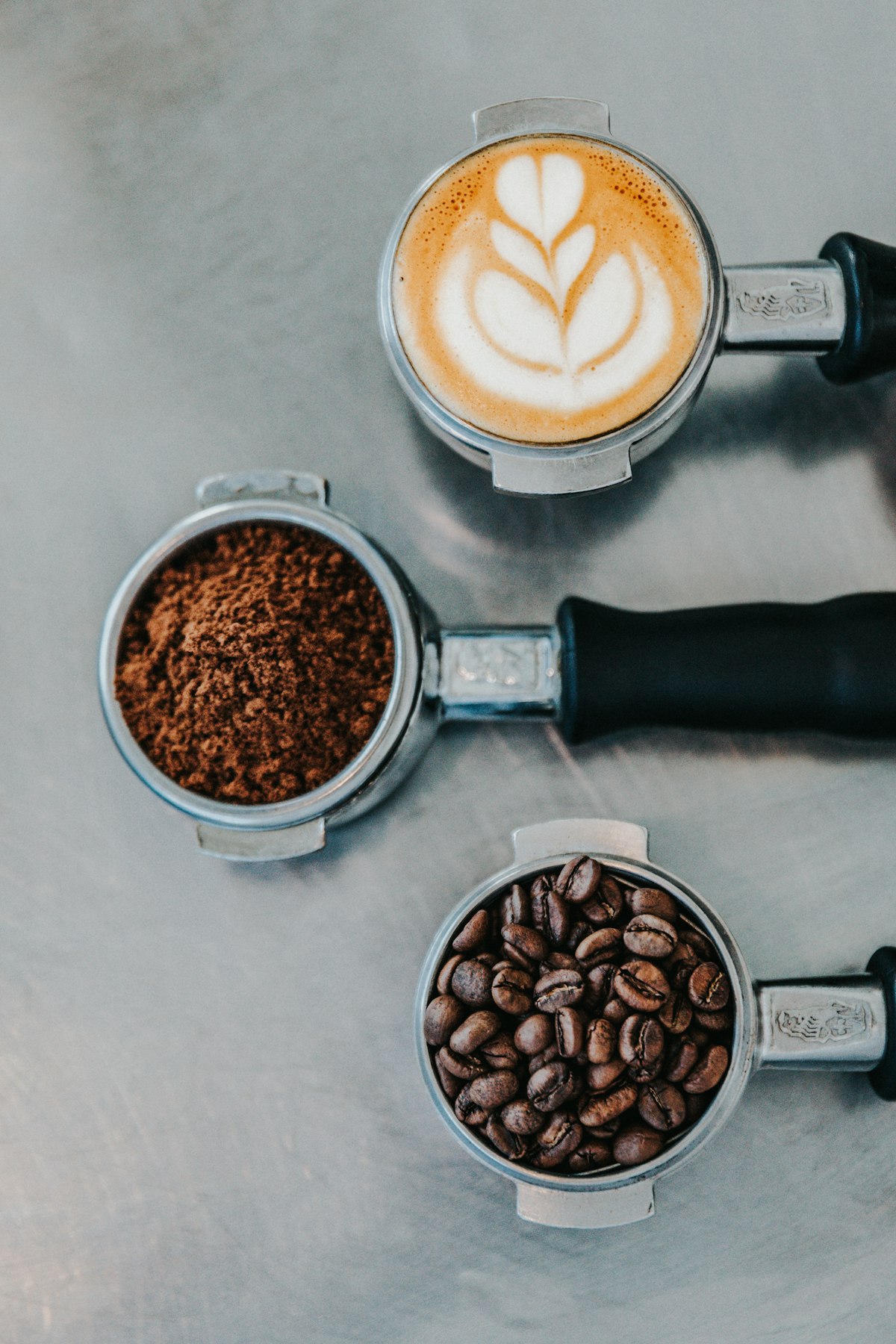
Nespresso machines operate on a pressure-based extraction system. The Original line uses a traditional 19-bar pump — the same pressure grade you'll find in many commercial espresso machines — to force hot water through finely ground coffee in the pod. This high-pressure extraction produces the oils and crema that define real espresso.
The Nespresso Vertuo line takes a different approach with centrifusion technology. The machine spins the pod at up to 7,000 RPM while simultaneously forcing hot water into it. The centrifugal force extracts coffee differently than pressure alone, and the system reads a barcode on each pod to automatically adjust water temperature, volume, and spin speed for optimal extraction. This allows Vertuo to brew everything from a 1.35 oz espresso shot to a 14 oz alto (travel mug size).
Both lines produce genuinely concentrated coffee with visible crema on espresso-style drinks.

How Keurig Works
Keurig machines use a simple pump-and-needle system. Water is heated to around 200°F and then forced through a K-Cup pod by pump pressure (typically 10-15 PSI, significantly lower than Nespresso's 19 bars). The result is filtered drip coffee — not espresso, not concentrated brew. The cup sizes vary from 6 oz to 12 oz or more depending on the model.
The Keurig K-Elite offers multiple brew sizes and a "strong" setting that slows the brew process to extract more flavor, but it cannot replicate the pressure extraction of a true espresso machine. Keurig's K-Cups are also larger and contain more ground coffee than Nespresso pods, which is why they produce a full mug rather than a 1-2 oz shot.
Pod Ecosystem: Compatibility, Cost & Variety
Nespresso Pods
Nespresso produces two pod formats that are not interchangeable:
Original pods are small, teacup-shaped capsules used in the Original and OriginalLine machines. They contain approximately 5-7 grams of finely ground coffee — similar to a single espresso dose. The Original system has strong third-party support: brands like Peet's Coffee, Starbucks (via Nespresso-compatible pods), and dozens of specialty roasters offer Original-compatible capsules.
Vertuo pods are larger, round discs with a barcode ring. They come in five sizes: espresso (1.35 oz), double espresso (2.7 oz), gran lungo (5 oz), coffee (7.77 oz), and alto (14 oz). Vertuo pod compatibility is more restricted because the centrifusion system requires the barcode to function. Third-party options exist but are fewer.
Cost per pod:
- Nespresso brand: $0.70–$1.00 per pod
- Third-party compatible Original pods: $0.40–$0.70 per pod
- Third-party Vertuo pods: $0.50–$0.80 per pod
Nespresso also runs a recycling program for its aluminum pods, which is a genuine environmental benefit.
Keurig Pods
Keurig K-Cups are the most widely compatible format in the single-serve market. They work in any Keurig machine (with very few exceptions) and are produced by hundreds of brands. Major names like Peet's Coffee, Starbucks, Dunkin', Folgers, Green Mountain, and hundreds of independent roasters all produce K-Cup-format coffee.
This breadth of compatibility is one of Keurig's strongest advantages. You can stock your pantry with dozens of varieties — light roast, dark roast, decaf, flavored, organic, Fair Trade — without being locked into one company's offerings.
Cost per pod:
- Store brand / bulk K-Cups: $0.30–$0.45 per pod
- Major brands (Starbucks, Peet's): $0.55–$0.75 per pod
- Specialty single-origin K-Cups: $0.65–$1.00 per pod
Keurig's official statement is that you should only use Keurig-brand pods for proper brew calibration, but in practice, third-party K-Cups work reliably in most machines.
Drink Versatility: From Espresso to Large Mugs
What Nespresso Can Make
The Nespresso system is fundamentally a specialized espresso machine. Within its ecosystem, you can brew:
- Espresso — the core product, 1.35 oz, full crema
- Double espresso — 2.7 oz, two shots equivalent
- Gran lungo — 5 oz, a longer espresso-style drink
- Coffee / Alto (Vertuo only) — 7.77 oz up to 14 oz, more like a standard drip
Beyond these base drinks, Nespresso's machine lineup includes built-in milk frothers (AeroFoam, integrated milk systems) on models like the Nespresso Lattissima and Creatista lines. These allow you to make:
- Lattes
- Cappuccinos
- Flat whites
- Macchiatos
- Hot chocolate (with chocolate-flavored pods)
With the right machine, you can pull a shot and froth milk in one compact countertop unit. That said, the milk frothing on Nespresso machines is automatic and convenient but not as customizable as a standalone espresso machine with a professional steam wand.
What Keurig Can Make
Keurig's strength is volume, not variety. Keurig machines brew standard drip-style coffee in sizes from 6 oz to 12+ oz. The K-Elite and similar models offer temperature control and a "strong" brew option.
Keurig does have some specialty models:
- K-Café — includes a milk frother attachment for lattes and cappuccinos
- K-Duo — can brew a full carafe or a single cup
- K-Cup Brew Over Ice — designed for iced coffee brewing
However, the fundamental limitation remains: Keurig cannot make espresso. The absence of pressure brewing means no crema, no concentrated shot, and no true café-style milk drink. You can add steamed milk to a Keurig coffee, but it won't have the same texture or flavor balance as a latte made with real espresso.
Milk-Based Drinks: Lattes, Cappuccinos & Flat Whites
This is where the two systems diverge most sharply.
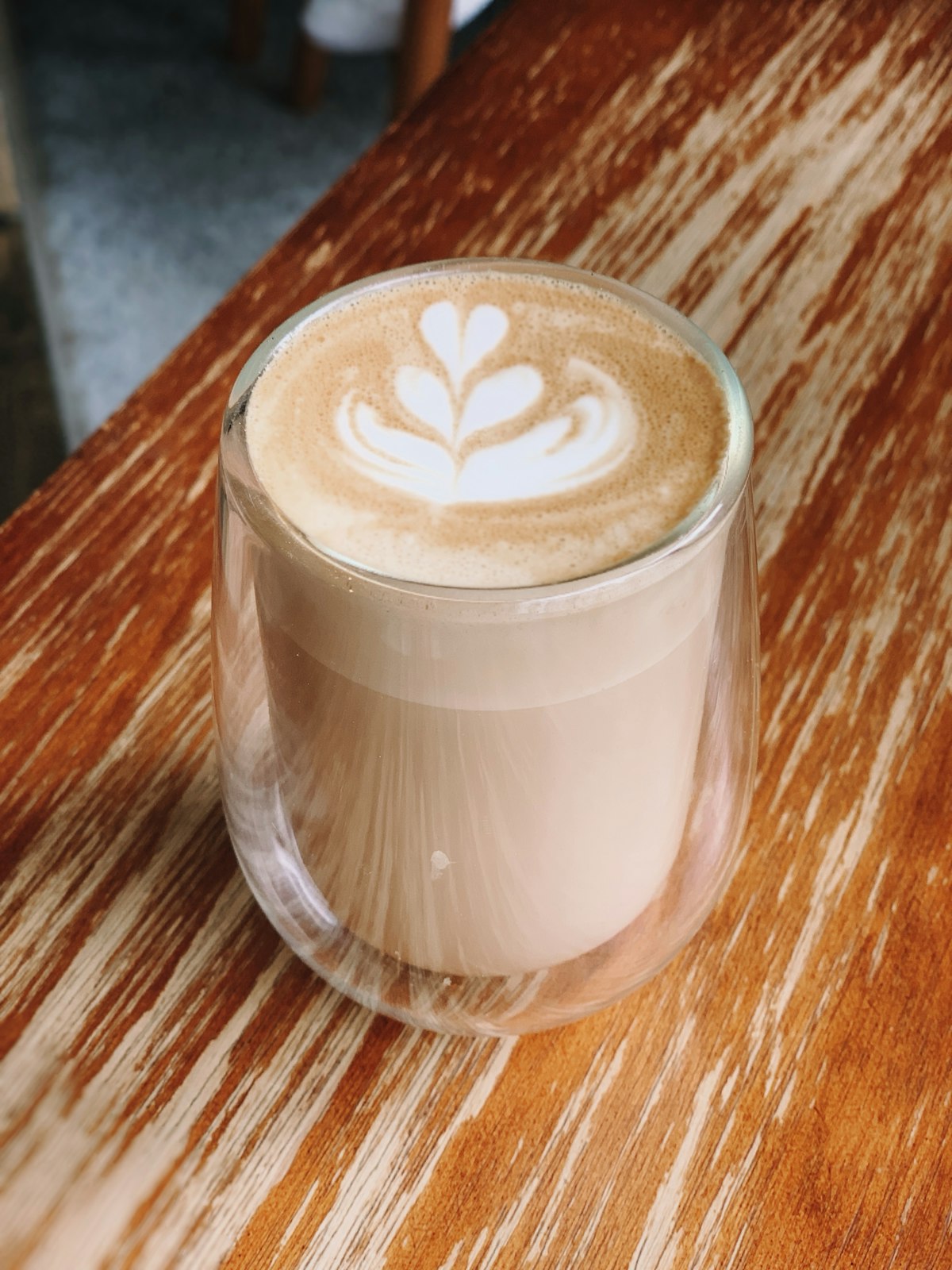
Nespresso's approach to milk drinks is built into many of its premium machines. The Nespresso Creatista Pro and Lattissima Pro have fully integrated milk frothing systems that steam and texturize milk to barista-quality froth. The automatic milk recipes on these machines can produce consistent cappuccino foam, velvety latte microfoam, and flat white texture with the push of a button.
The espresso itself — extracted at 19 bars — is the ideal base for milk drinks. The concentrated, slightly sweet shot dissolves beautifully into steamed milk, creating layered flavors. If milk-based drinks are your primary reason for wanting a pod machine, Nespresso is the clear winner.
Keurig's answer to milk drinks is more fragmented. The Keurig K-Café includes a "Shot" function that brews a small, more concentrated cup (closer to an espresso-style drink) and comes with a separate milk frother attachment. The frother works, but it's a separate appliance on your counter and produces results that are adequate but not excellent.
For most Keurig users making milk drinks, the process involves brewing a regular Keurig coffee and using a handheld milk frother or a separate electric frothing device. It's an extra step and extra cleanup.
Speed & Convenience: Which Is Faster?
Both systems prioritize convenience, but they optimize for different use cases.
Nespresso heats up in approximately 25-30 seconds and brews a single espresso shot in 20-25 seconds. A full espresso-based drink with milk (using an integrated frother machine) takes approximately 60-90 seconds total. The Nespresso pod insertion is straightforward: lift the lever, insert the pod, close the lever, press the button.
Keurig typically heats up in 30-45 seconds depending on the model. A full 8-10 oz cup brews in approximately 1-2 minutes. Pod insertion involves removing the K-Cup from its packaging (more waste), placing it in the brewer, and closing the lid. Some Keurig models have a pod storage area, but most require handling each pod individually.
In raw speed, Nespresso wins for single espresso shots. Keurig wins for filling a larger mug quickly without milk processing. If you're making a single latte for yourself before work, Nespresso's integrated system is faster. If you're making three 10-oz coffees for three different people simultaneously, Keurig's larger output volume is more practical.
Machine Build Quality & Longevity
Nespresso machines are, on average, built to higher quality standards. The pumps use commercial-grade components, the water heating systems are more robust, and the overall construction reflects the premium price point. With proper descaling and maintenance, a Nespresso machine commonly lasts 5-7 years or more. Many users report their Nespresso machines running well beyond 7 years.
Keurig machines are more budget-oriented in their internal construction. The pumps and heating elements are adequate for home use but not rated for the same continuous duty cycle as Nespresso's. The average lifespan of a Keurig machine is approximately 3-4 years with regular use, though many fail earlier due to pump issues or scale buildup.
Both brands have comparable warranty periods (typically 1 year, with Nespresso offering extended warranties on some models), but the repair ecosystems differ. Nespresso has authorized service centers and a reputation for supporting older machines with parts. Keurig's approach tends toward replacement rather than repair for out-of-warranty issues.
Environmental Impact: Pods & Sustainability
This is a genuine weakness for both systems, and it's worth addressing honestly.
Nespresso pods are made of aluminum, which is infinitely recyclable. Nespresso runs a well-established free mail-back recycling program through UPS. You order a recycling bag, fill it with used pods, and ship it back. The aluminum is recycled; the coffee grounds are composted industrially. If you're diligent about returning pods, Nespresso's environmental footprint is meaningfully better.
Keurig K-Cups are mostly made of plastic (petroleum-based) with a paper filter lid. While Keurig has made progress with recyclable K-Cup lines and partnered with recycling organizations, the actual recycling rate for K-Cups remains low because they require special facilities to separate the plastic from the coffee grounds. Most municipal recycling programs cannot process standard K-Cups. Additionally, each K-Cup individually wrapped in plastic packaging (for most major brands) generates even more waste.
If sustainability is a priority, Nespresso has the edge. However, neither system is truly sustainable without active recycling effort from the user. For zero-waste coffee at home, a best burr grinder paired with a traditional espresso machine remains the gold standard.

Price Comparison: Machines & Ongoing Costs
Machine Costs
| Machine | Type | Price Range |
|---|---|---|
| Nespresso Vertuo | Espresso / Coffee | $170–$230 |
| Nespresso Creatista Pro | Espresso + Frother | $300–$450 |
| Nespresso Lattissima Pro | Espresso + Integrated Milk | $400–$550 |
| Keurig K-Classic | Drip-style Coffee | $80–$120 |
| Keurig K-Elite | Drip-style Coffee | $130–$180 |
| Keurig K-Café | Drip + Shot + Frother | $160–$220 |
Nespresso machines sit in a noticeably higher price tier, reflecting their more sophisticated brewing technology.
Ongoing Pod Costs
For a household that drinks two pod-based drinks per day:
- Nespresso (Original pods, third-party, ~$0.55 average): approximately $400/year
- Keurig (major brand K-Cups, ~$0.55 average): approximately $400/year
- Keurig (bulk/store brand, ~$0.40 average): approximately $290/year
The ongoing cost gap is not enormous if you buy name-brand pods for both systems. However, Keurig's access to cheaper third-party bulk pods gives it a real advantage for budget-conscious households.
The Comparison Table
| Feature | Nespresso | Keurig |
|---|---|---|
| Brewing Pressure | 19 bars (Original); centrifusion (Vertuo) | 10–15 PSI (drip-style) |
| True Espresso | Yes | No |
| Pod Cost (brand) | $0.70–$1.00 | $0.55–$0.75 |
| Pod Cost (third-party) | $0.40–$0.70 | $0.30–$0.45 |
| Third-Party Variety | Good (Original); Moderate (Vertuo) | Excellent |
| Min Pod Size | 1.35 oz espresso | 6–8 oz drip |
| Max Cup Size | 14 oz (Vertuo alto) | 12–16 oz depending on model |
| Built-in Milk Frother | Yes (premium models) | No (except K-Café) |
| Milk Drink Quality | Excellent with espresso base | Adequate with separate frother |
| Brew Time (single shot) | 20–25 seconds | 60–90 seconds (full mug) |
| Machine Lifespan | 5–7+ years | 3–4 years |
| Recycling (pod material) | Aluminum — widely recyclable | Plastic — limited facilities |
| Entry Machine Price | ~$130 (Pixie) | ~$80 |
| Premium Machine Price | ~$400–$550 | ~$180–$220 |
Who Should Buy Nespresso?
Choose Nespresso if:
-
You want real espresso. If you appreciate the depth, crema, and intensity of true espresso — or drinks made with espresso like lattes and cappuccinos — Nespresso is the only pod system that delivers.
-
You drink espresso-based drinks daily. Nespresso's integrated milk frothing on premium models makes barista-quality lattes at home consistently. The quality is genuinely close to specialty coffee shops.
-
You value machine longevity. Spending $200–$500 on a machine that lasts 7 years is better economics than buying a $100 machine every 3 years.
-
You want a compact footprint. Nespresso machines are smaller and more elegantly designed than most Keurig machines. They fit better in modern kitchens with limited counter space.
-
You're serious about recycling. If you'll actually use Nespresso's free recycling program, you're making a better environmental choice.
Recommended Nespresso machine for most people: Nespresso Vertuo — versatile, good pod ecosystem, solid entry to the Nespresso experience.
Recommended Nespresso machine for milk drink lovers: Nespresso Lattissima Pro — integrated milk system, one-touch recipes.
Who Should Buy Keurig?
Choose Keurig if:
-
You drink large mugs of drip coffee. If your morning routine is a 12-oz or 14-oz mug of regular coffee, Keurig's output fits that habit perfectly. Nespresso's espresso-style output would feel too small without adjusting your expectations.
-
You want maximum pod variety and low cost. Keurig's ecosystem has unmatched variety at the budget end. You can buy a month's worth of coffee pods for $15–$20 if you shop sales and store brands.
-
You're buying for a household with varied tastes. Multiple people sharing one machine can each have their own favorite K-Cup. The third-party ecosystem makes it easy to keep everyone happy.
-
You're on a tight budget. Entry-level Keurig machines are significantly cheaper than entry-level Nespresso machines.
-
You want to make iced coffee easily. Keurig has an explicit "brew over ice" function on several models, optimized for iced coffee without dilution.
Recommended Keurig machine for most people: Keurig K-Elite — strong brew option, temperature control, multiple sizes, good middle-ground option.
Recommended Keurig for milk drink爱好者: Keurig K-Café — shot function + milk frother in one machine.
Our Verdict
Nespresso wins if your priority is coffee quality, espresso authenticity, and milk drink excellence. The brewing technology is fundamentally superior for producing concentrated, crema-rich espresso. If you're buying a pod machine because you want café-quality drinks at home — not just a convenient cup of hot brown water — Nespresso is the answer.
Keurig wins if your priority is volume, cost, and variety. Keurig makes a lot of decent coffee cheaply and quickly. It's the better choice for households where multiple people want different drinks, or where the primary goal is fast, painless access to a full mug of coffee rather than a carefully extracted espresso shot.
Neither system is objectively better. The right choice depends entirely on which coffee experience you're actually after.
If you've read this far and you're still unsure, ask yourself one question: Do I want espresso, or do I want coffee? Answer that honestly, and your decision is made.
For deeper dives into each category, explore our guides to the best single serve coffee makers and how cold brew vs iced coffee compare as summer alternatives.

Frequently Asked Questions
Is Nespresso better than Keurig for espresso?
Nespresso is generally better for true espresso because its machines brew at 19 bars of pressure, producing authentic espresso with crema. Keurig machines brew at only 10-15 PSI, making coffee rather than true espresso.
Are Nespresso pods more expensive than Keurig pods?
Nespresso pods typically cost $0.70-$1.00 per pod, while Keurig pods range from $0.35-$0.65 per pod. However, Nespresso pods are designed for espresso and yield a more concentrated shot, so the comparison depends on what you're measuring.
Can you use third-party pods in Nespresso and Keurig?
Keurig has broader third-party pod compatibility and officially accepts dozens of brands. Nespresso Original line accepts many third-party compatible pods, but the Vertuo line has more restricted compatibility due to its barcode system.
Which machine makes better milk drinks like lattes and cappuccinos?
Nespresso has a built-in milk frothing system in many of its models and produces espresso that textures beautifully with milk. Keurig lacks a built-in frother on most models, though you can buy the Keurig K-Café with a frother attachment.
What is the difference between Nespresso Original and Vertuo lines?
Nespresso Original uses 19-bar pressure to brew espresso-style coffee in small cups. Vertuo uses centrifusion technology spinning at 7,000 RPM to brew both espresso and regular coffee in larger volumes, with barcode-enabled brewing for each pod size.
Which brand lasts longer — Nespresso or Keurig?
Nespresso machines are generally built with higher-quality components and have a longer lifespan with proper care. Keurig machines are more affordable but tend to require replacement sooner, averaging 3-4 years versus Nespresso's 5-7 years.
Sources
- Nestlé Nespresso SA. (2025). Nespresso — The Art of Espresso. Retrieved from https://www.nespresso.com
- Keurig Dr Pepper. (2025). Keurig Brewing Technology. Retrieved from https://www.keurig.com
- SCA (Specialty Coffee Association). (2024). Understanding Espresso Extraction Standards. Specialty Coffee Association. https://sca.coffee
- USDA Agricultural Marketing Service. (2025). Coffee: World Markets and Trade. United States Department of Agriculture. https://www.fas.usda.gov
- Ellen MacArthur Foundation. (2023). The Future of Coffee Packaging: Single-Serve Pods and Circular Economy. https://www.ellenmacarthurfoundation.org
- Specialty Coffee Research & Reports. (2024). Single-Serve Coffee Consumer Trends Report. Coffee Science Institute.
- NSF International. (2024). Commercial & Residential Coffee Equipment: Lifespan & Maintenance Standards. https://www.nsf.org
About the Author
James Chen is a home barista and coffee educator with over 12 years of experience reviewing espresso equipment and single-serve systems. He has tested more than 200 coffee machines in his home lab and contributes coffee science explainers and product reviews to Home Coffee Spot. When he's not pulling espresso shots, he teaches latte art workshops in Portland, Oregon.
This article contains Amazon affiliate links. We earn a small commission on qualifying purchases at no extra cost to you. See our affiliate disclosure for details.