Guide
Best Coffee Grinder for Home 2026
By Home Coffee Spot Editorial Team · Updated 2026-03-11
The Best Coffee Grinder for Home Use in 2026
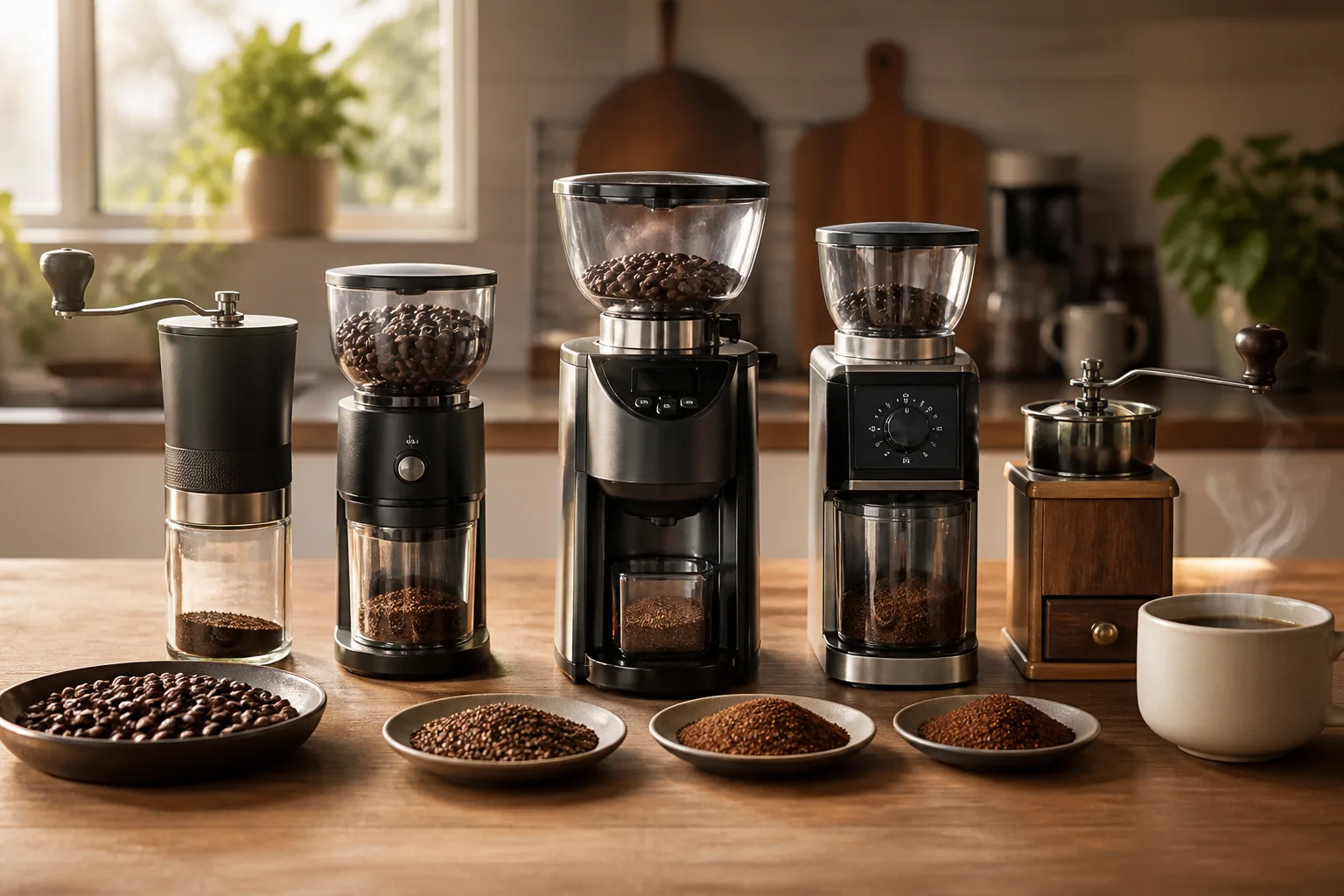
The best coffee grinder for home use in 2026 is the Baratza Encore ESP, a conical burr grinder that delivers consistent particle size across drip, pour-over, and espresso settings for under $200. It strikes the ideal balance between grind quality, ease of use, and value — making it the top recommendation for most home brewers. If you have a larger budget and want espresso-grade precision, the Fellow Ode Brew Grinder Gen 2 and the 1Zpresso J-Max manual grinder also earn strong recommendations depending on your brewing style and preferences.
Whether you are upgrading from pre-ground coffee or replacing an old blade grinder that has served you for too long, investing in a quality burr grinder is the single biggest improvement you can make to your daily cup. In this guide, I break down exactly what to look for, compare the top five grinders on the market right now, and help you pick the right one for your setup and budget.
Table of Contents
Evidence note: This comparison uses manufacturer specifications, published research, and independently reported owner feedback. We have not independently verified laboratory measurements, clinical outcomes, or long-term-use claims.
Why Your Coffee Grinder Matters More Than Your Brewer
Ask any specialty coffee professional what the most important piece of equipment in a home coffee setup is, and the answer is almost always the grinder — not the brewer, not the kettle, and not the scale. The reason is straightforward: extraction. Coffee brewing is fundamentally the process of dissolving soluble compounds from ground coffee into water. The size and uniformity of those grounds determine how evenly and effectively that extraction happens.
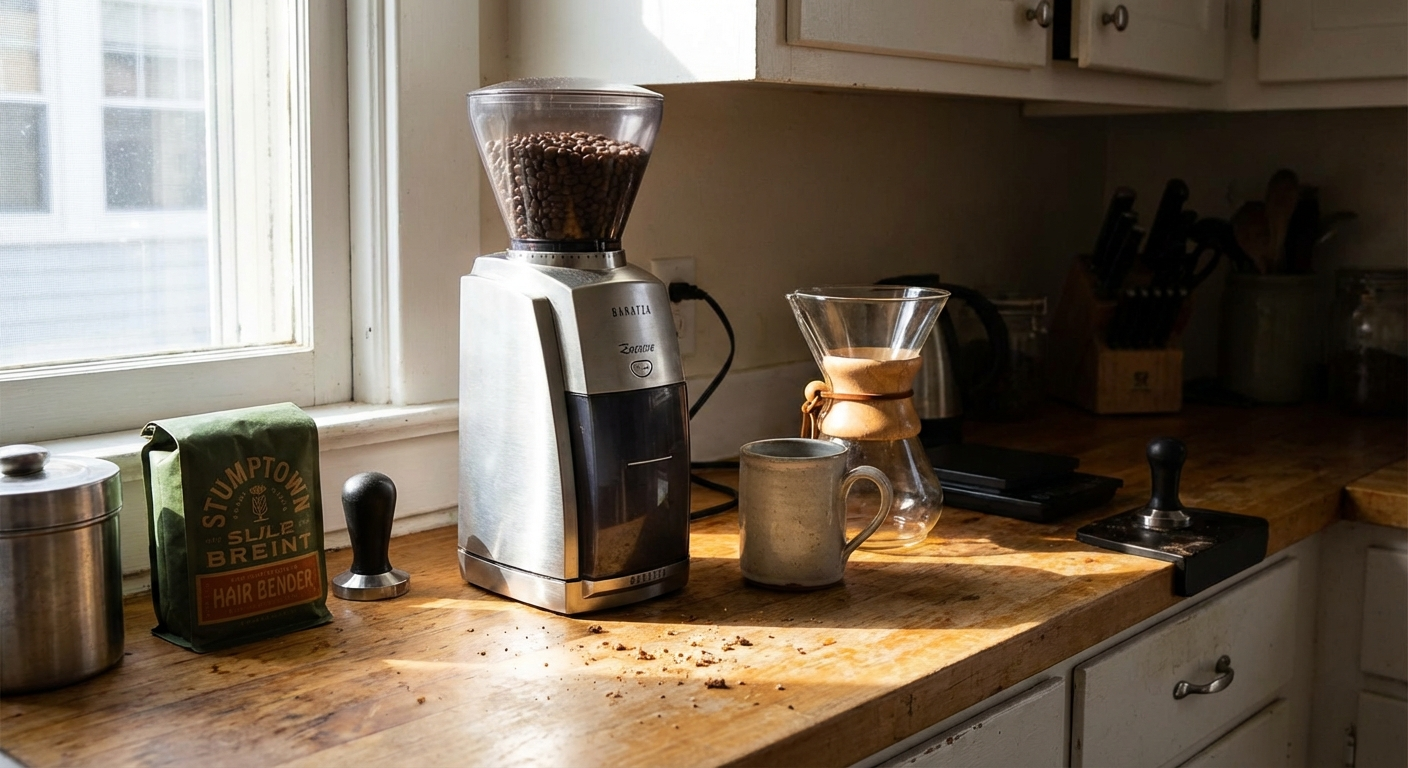
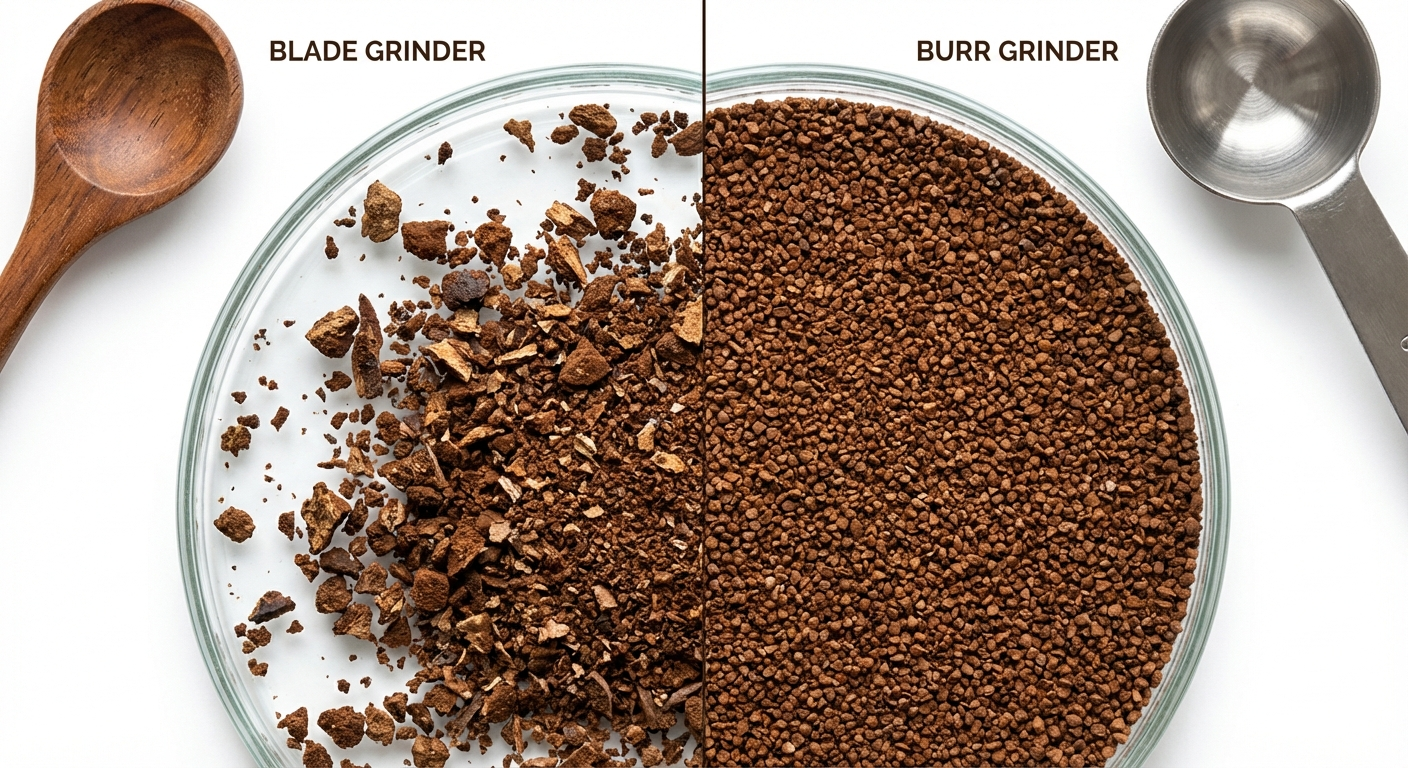
When your grind is inconsistent — a mix of fine powder and coarse chunks — some particles over-extract (producing bitterness and astringency) while others under-extract (resulting in sourness and a thin body). The result is a muddled, unbalanced cup no matter how good your beans are or how precisely you control your water temperature and brew time.
A quality burr grinder produces uniform particles at whatever size you need. That uniformity is what allows you to dial in a recipe and reproduce it day after day. It is the foundation that everything else in your coffee routine builds on.
Burr vs Blade Grinders: The Essential Difference
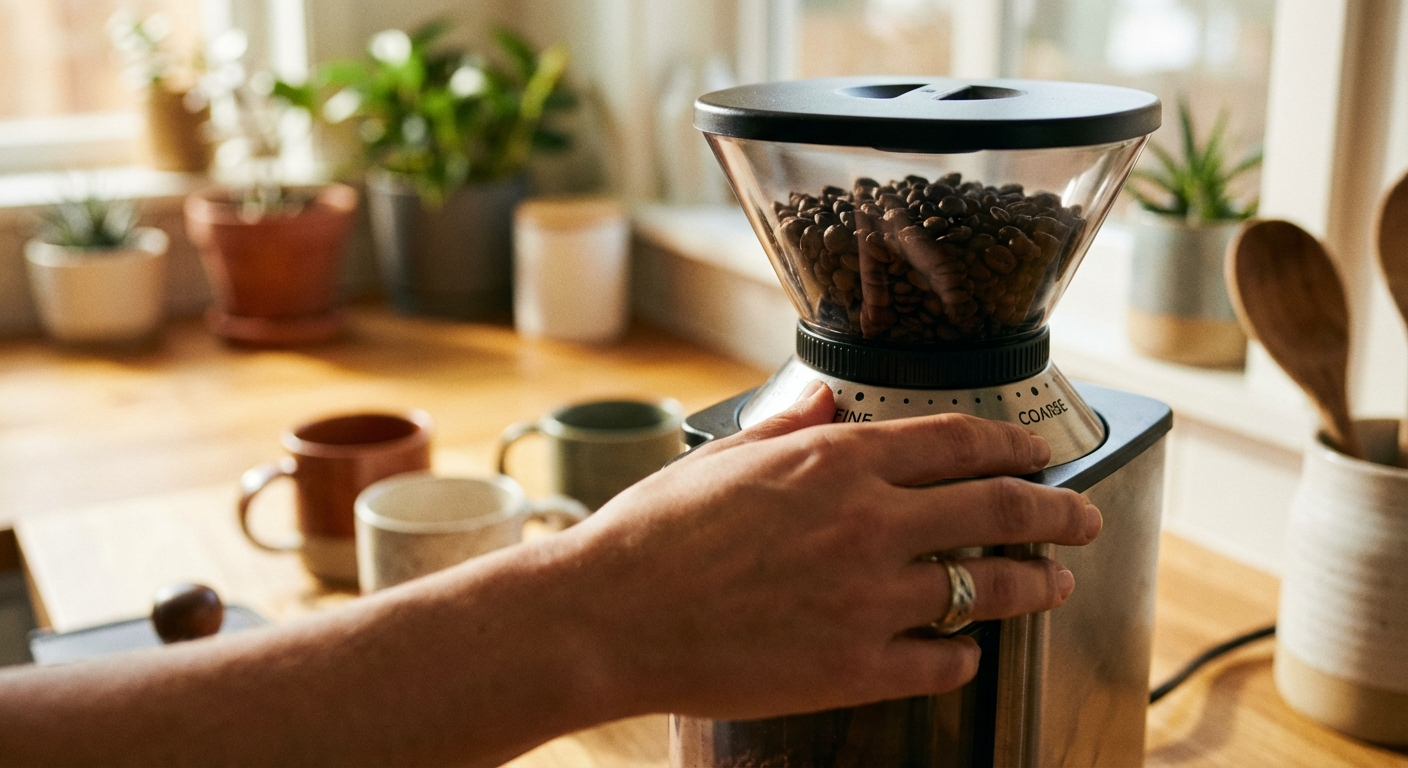
If you are shopping for a coffee grinder, the first and most consequential decision is choosing between a burr grinder and a blade grinder. Understanding why this distinction matters will save you money and frustration in the long run.
How Blade Grinders Work
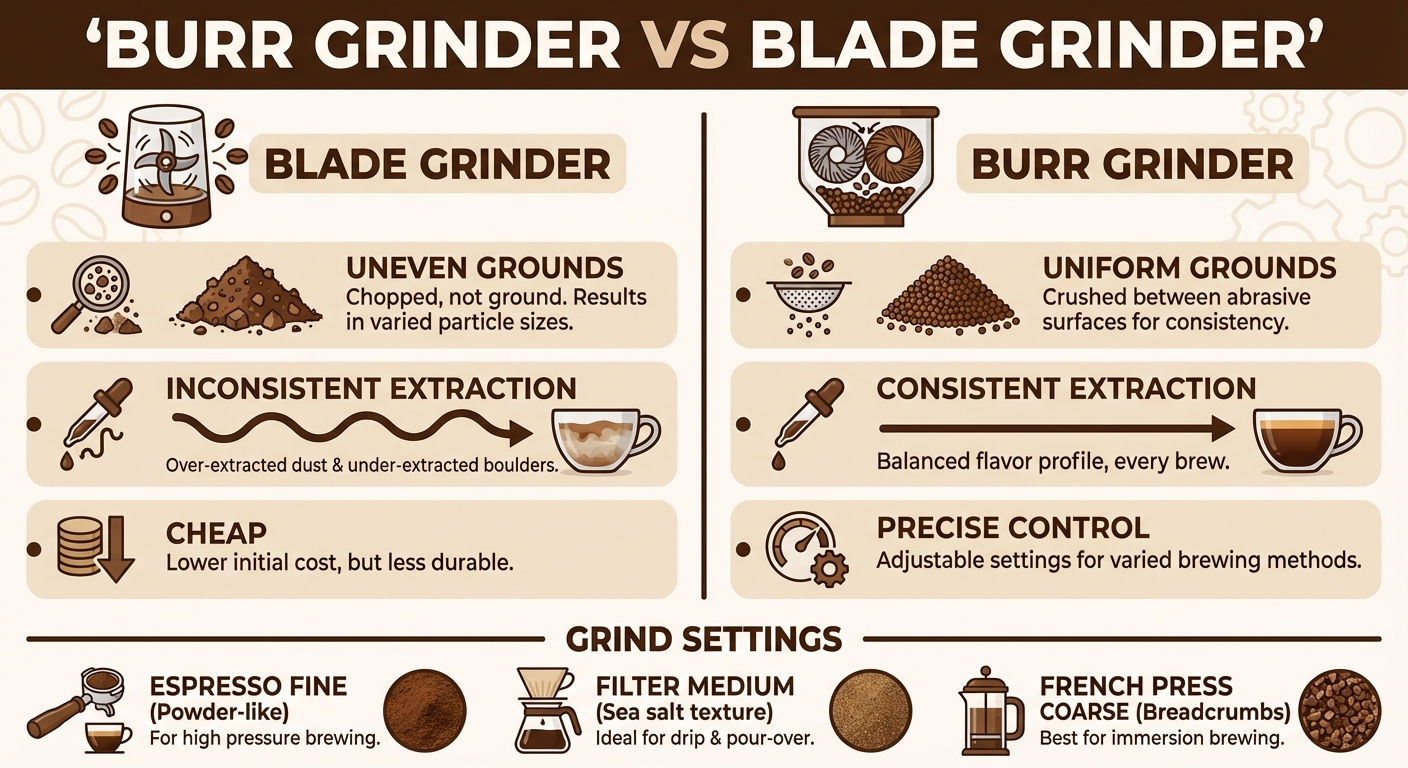
A blade grinder uses a spinning metal blade — similar to a blender — to chop coffee beans into smaller pieces. The longer you run it, the finer the grind becomes, but there is no mechanism controlling particle size. The result is a wildly uneven mix of boulders and dust. Blade grinders are inexpensive, typically ranging from $15 to $30, but the lack of consistency makes them a poor choice for anyone looking to improve their coffee quality.
How Burr Grinders Work
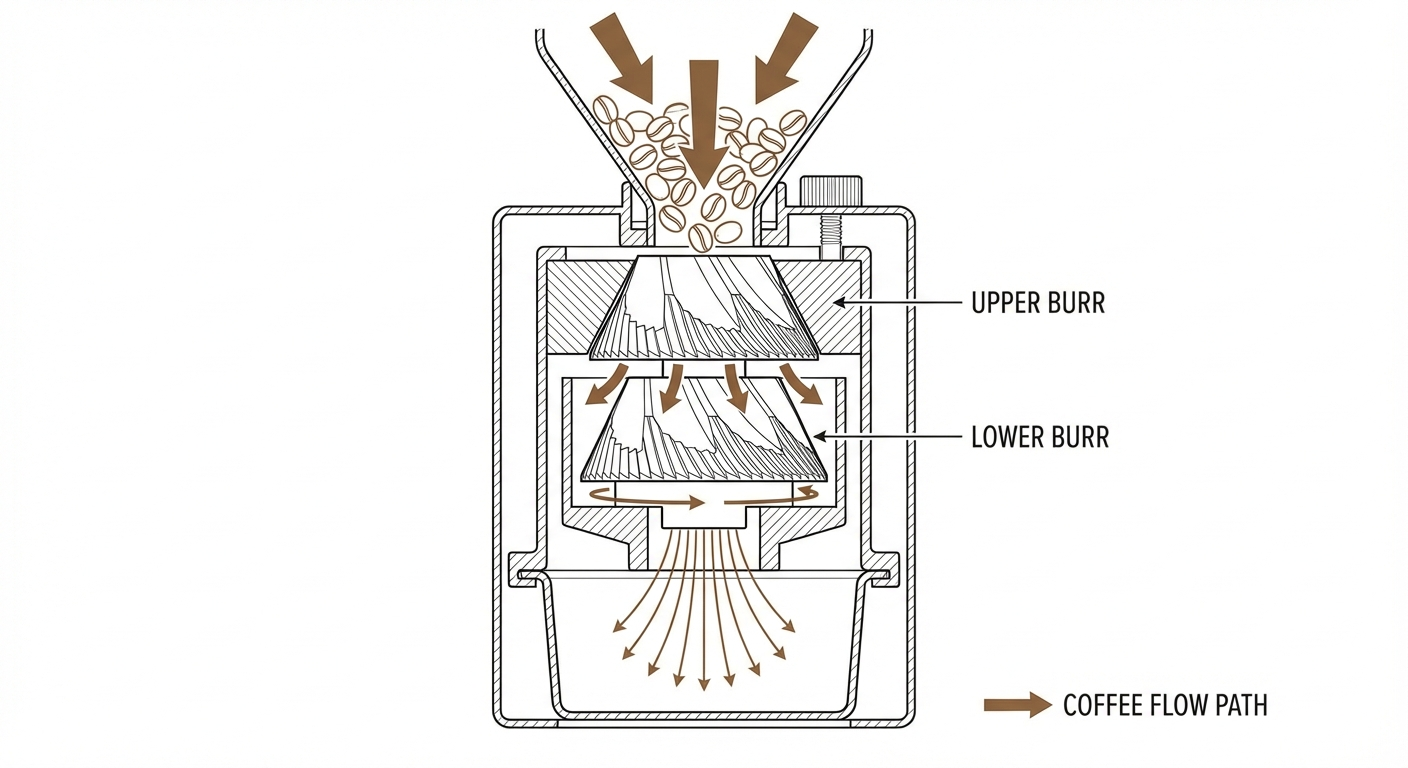
A burr grinder crushes beans between two abrasive surfaces — the burrs — set at a precise distance apart. That gap determines the grind size, and because every bean must pass through the same opening, particle size is far more uniform. Burr grinders come in two main varieties:
-
Conical burrs feature a cone-shaped inner burr that sits inside a ring-shaped outer burr. They tend to run at lower speeds, produce less heat, and are quieter. Conical burrs are the most common type in home grinders and perform well across a wide range of grind sizes.
-
Flat burrs use two parallel, disc-shaped burrs facing each other. They generally produce even more uniform particle distribution than conical burrs, especially at finer grind sizes used for espresso. Flat burr grinders tend to be louder, generate more heat, and cost more, but they are preferred by many espresso enthusiasts and professionals.
The Bottom Line on Burrs vs Blades
For any home brewer serious about coffee quality, a burr grinder is the clear choice. Even an entry-level burr grinder at $50 will produce noticeably better results than a blade grinder. The consistency of a burr grind translates directly into a cleaner, more balanced, and more flavorful cup of coffee.
Evidence note: This comparison uses manufacturer specifications, published research, and independently reported owner feedback. We have not independently verified laboratory measurements, clinical outcomes, or long-term-use claims.
Each grinder on this list represents the best option in its category as of early 2026.
Top 5 Coffee Grinders for Home Use in 2026
1. Baratza Encore ESP — Best Overall
The Baratza Encore has been a staple recommendation in the home coffee community for years, and the ESP (Espresso-focused) version released in late 2024 extends its range into finer grind territory without sacrificing the reliable performance that made the original a classic. With 40 grind settings, a 40mm conical steel burr set, and a price point that hovers around $170, the Encore ESP is the grinder I recommend to anyone who wants one machine to handle everything from French press to entry-level espresso.
The grind consistency at medium settings — ideal for drip and pour-over — is excellent for this price range. At finer espresso settings, it performs admirably, though dedicated espresso grinders with flat burrs or stepless adjustment will offer more precision for advanced users. Retention is low at roughly 0.5 grams, and the grounds bin uses an anti-static design that keeps mess to a minimum.
Baratza also deserves credit for their commitment to repairability. Replacement parts are readily available and affordable, and the company publishes detailed repair guides. This is a grinder you can maintain and use for a decade or more.
Pros:
- Excellent grind consistency for the price
- Wide range covers drip through espresso
- Low retention and minimal static
- Outstanding repairability and parts availability
- Compact footprint fits small kitchens
- Quiet operation compared to competitors
Cons:
- Stepped adjustment limits espresso dial-in precision
- Hopper capacity is modest at 8 ounces
- Plastic body feels less premium than some competitors
- Not ideal for light-roast espresso at very fine settings
Price: ~$170
2. Fellow Ode Brew Grinder Gen 2 — Best for Pour-Over and Drip
Fellow redesigned the Ode from the ground up for its second generation, and the result is one of the best brew grinders available at any price. The Gen 2 features 64mm flat SSP burrs — a significant upgrade that was previously only available as an aftermarket modification — and an 11-setting outer ring with 31 inner micro-adjustments, giving you over 340 effective grind settings.
The flat burr geometry produces remarkably uniform particles, especially in the medium-coarse to medium-fine range that pour-over and drip methods demand. If you are brewing V60, Chemex, Kalita Wave, or batch drip, this grinder will extract clarity and sweetness from your beans that conical burr grinders at this price simply cannot match.
The Gen 2 also addresses the retention issues that plagued the original Ode. A redesigned chute and anti-static technology bring retention down to approximately 0.3 grams, which is impressive for a flat burr grinder. The single-dose workflow — weigh your beans, drop them in, grind, done — works seamlessly.
Fellow's design sensibility is evident throughout. The Ode Gen 2 is a beautiful machine that looks at home on any countertop, with a solid build and satisfying tactile controls. It is, however, not designed for espresso. The grind range bottoms out at a medium-fine setting suitable for AeroPress but not fine enough for pressurized espresso.
Pros:
- Exceptional grind uniformity from 64mm flat SSP burrs
- Over 340 grind settings for precise dialing
- Very low retention for single-dosing
- Premium build quality and aesthetics
- Quiet motor with anti-vibration design
- Magnetic catch cup is convenient and elegant
Cons:
- Cannot grind fine enough for espresso
- Premium price at $345
- Larger footprint than conical burr grinders
- Overkill if you only brew drip with a basic machine
Price: ~$345
3. 1Zpresso J-Max — Best Manual Grinder
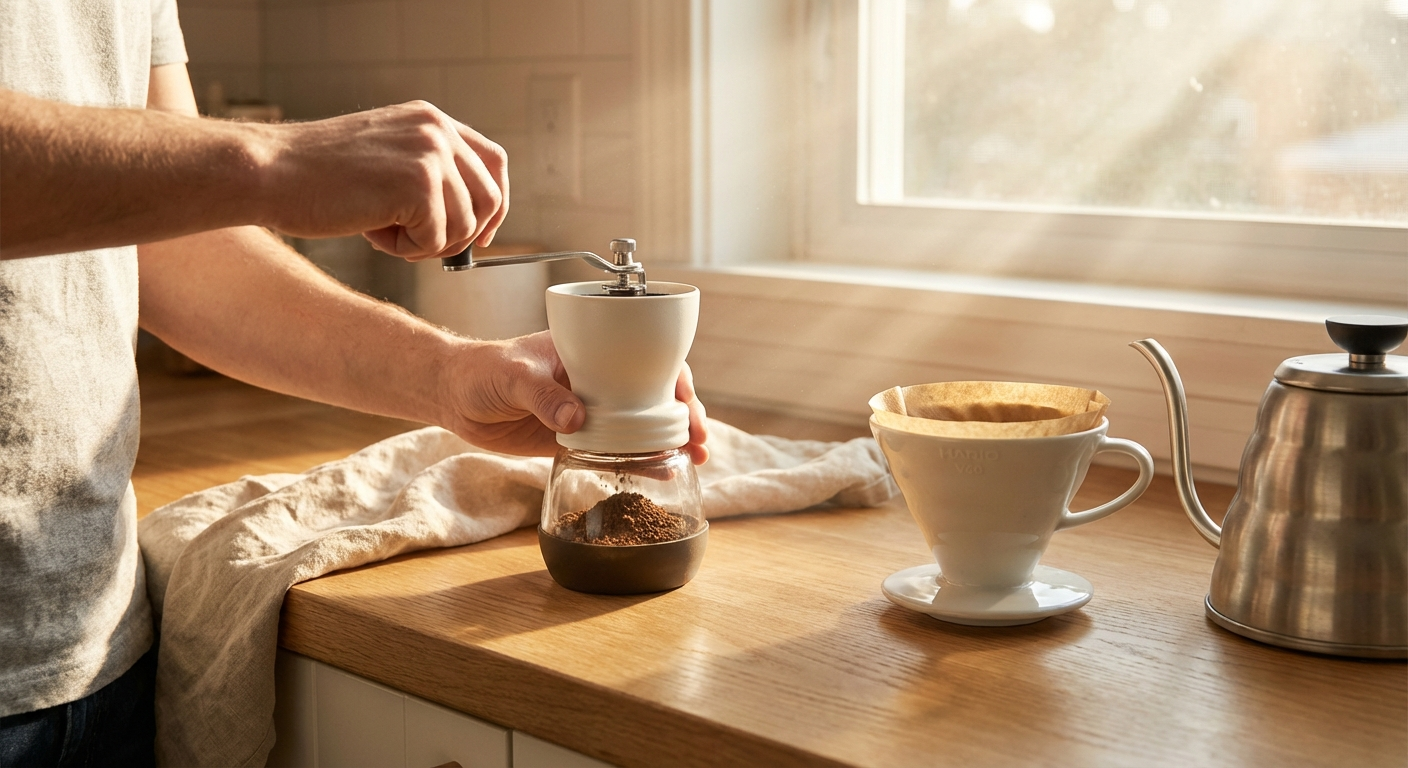
Manual grinders have come a long way from the inconsistent, arm-exhausting hand mills of the past. The 1Zpresso J-Max represents the peak of modern hand grinder engineering, featuring a 48mm conical steel burr set with a staggering 90 clicks per full rotation of its external adjustment dial. That works out to roughly 900 total grind settings across its full range — far more than most electric grinders offer.
The J-Max grinds fine enough for Turkish coffee and espresso while reaching coarse enough for French press and cold brew. At espresso settings, the particle uniformity rivals electric grinders costing two to three times as much. The external adjustment mechanism is intuitive and satisfying to use, with clearly marked numbers that make it easy to record and return to your preferred settings for different brew methods.
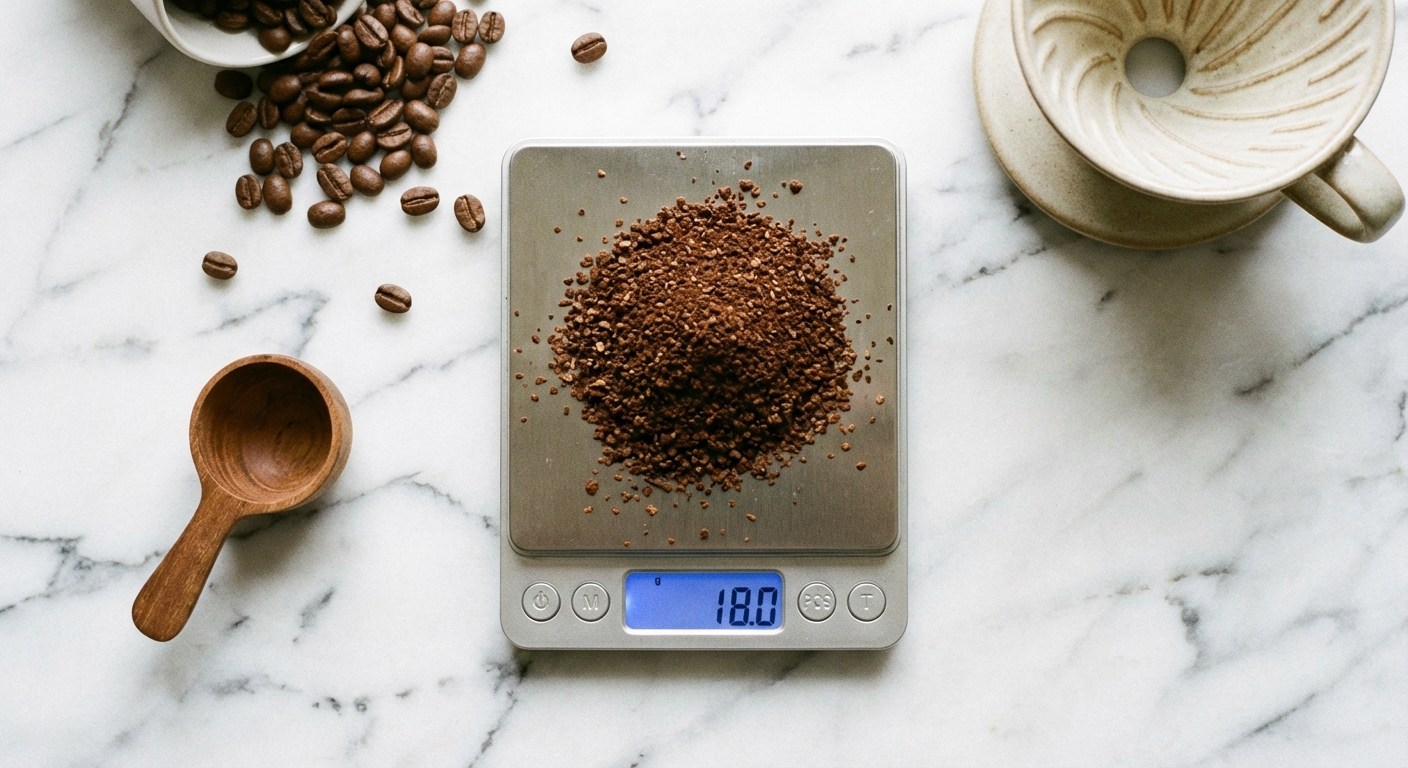
Grinding 18 grams of medium-roast coffee for pour-over takes approximately 30 to 40 seconds of steady cranking. Espresso-fine grinding takes closer to 60 seconds. The effort required is moderate — significantly less than budget hand grinders thanks to the quality bearings and burr geometry — but it is still a physical task that some users will not want to perform every morning.
Build quality is exceptional. The body is machined stainless steel with a comfortable wooden knob, and the entire unit feels solid and precise. It travels well thanks to its compact size and the included carrying case, making it a favorite among coffee enthusiasts who want great coffee on the go.
Pros:
- Extraordinary grind consistency rivaling premium electric grinders
- Approximately 900 grind settings via external adjustment
- Covers every brew method from Turkish to cold brew
- Premium stainless steel construction
- Highly portable with included carrying case
- No electricity or counter space required
Cons:
- Manual grinding requires physical effort and time
- Only practical for single servings
- No option for hands-free operation
- Learning curve for finding optimal settings
- Higher price than some entry-level electric burr grinders
Price: ~$159
4. Breville Smart Grinder Pro — Best for Espresso on a Budget
The Breville Smart Grinder Pro has earned a loyal following among home espresso enthusiasts for good reason. It offers 60 grind settings — including fine micro-adjustments in the espresso range — at a price point that undercuts most dedicated espresso grinders. The 40mm conical stainless steel burrs produce a grind consistent enough to pull respectable shots on home espresso machines, and the digital timer with programmable dosing makes workflow efficient and repeatable.
What sets the Smart Grinder Pro apart in its price bracket is the degree of control it provides at finer settings. The upper adjustment ring covers broad grind ranges, while a secondary inner ring allows fine-tuning within each range. This two-tier system gives you the precision to dial in espresso without the cost of a stepless mechanism, and it works well in practice.
The grinder includes both a portafilter cradle and a grounds container, making it versatile for espresso and brew methods alike. The backlit LCD displays the dose time, number of shots, and grind setting, which is a practical touch that simplifies daily use.
Retention is the most notable compromise here. At approximately 1.5 to 2 grams, the Smart Grinder Pro retains more coffee than the other grinders on this list. For espresso, where dose precision matters, you may want to adopt a purging routine — grinding and discarding a small amount before your actual dose — to keep things accurate. This adds a small amount of waste but solves the consistency problem effectively.
Pros:
- 60 grind settings with fine espresso-range adjustments
- Digital timer with programmable dosing
- Portafilter cradle included for espresso workflow
- Versatile range covers espresso through French press
- Backlit LCD is easy to read and use
- Solid value at the price point
Cons:
- Higher retention than competitors (1.5 to 2 grams)
- Conical burrs lack the uniformity of flat burrs for espresso purists
- Plastic hopper and body feel less durable than metal alternatives
- Can be noisy at finer grind settings
- Static can cause grounds to cling to the container
Price: ~$200
5. Timemore C3 MAX — Best Budget Option
If you are looking for the best grind quality under $80, the Timemore C3 MAX is the clear winner. This manual grinder punches well above its price class, featuring a 42mm stainless steel conical burr set, a CNC-machined aluminum body, and an internal stepped adjustment mechanism with 36 clicks of range. It grinds from medium-fine through coarse with good uniformity, making it an excellent choice for pour-over, AeroPress, drip, and French press.
The C3 MAX is an updated version of the popular Timemore C2, with improvements to the burr geometry, bearing quality, and adjustment mechanism. Grinding 15 grams of coffee at a medium setting takes about 30 seconds and requires only moderate effort. The ergonomic silicone grip on the body and the comfortable handle make the experience pleasant.
This grinder does have limitations. It is not designed for espresso — the adjustment steps are too coarse to allow precise dialing at fine settings — and the capacity tops out at about 25 grams. But for its intended use case — a daily hand grinder for filter coffee methods — it is remarkably capable and represents outstanding value.
The compact size and light weight make it a practical travel grinder as well. If you are just getting started in specialty coffee or want to find out whether grinding fresh makes a difference before investing in a premium grinder, the C3 MAX is the ideal starting point.
Pros:
- Outstanding grind quality for under $80
- Lightweight and portable CNC aluminum body
- Comfortable grip and smooth grinding action
- Covers pour-over, AeroPress, drip, and French press well
- Easy to clean and maintain
- Good stepping stone to understand what you want in a grinder
Cons:
- Not suitable for espresso
- Internal adjustment requires removing the handle to change settings
- Limited to about 25 grams capacity
- Manual effort required for every cup
- Fewer grind settings than premium hand grinders
Price: ~$70
Comparison Table
| Grinder | Type | Burr Material | Grind Settings | Best For | Price | Rating |
|---|---|---|---|---|---|---|
| Baratza Encore ESP | Electric, Conical | 40mm Steel | 40 stepped | All-around use | ~$170 | 9.2/10 |
| Fellow Ode Gen 2 | Electric, Flat | 64mm SSP Steel | 340+ micro | Pour-over & drip | ~$345 | 9.5/10 |
| 1Zpresso J-Max | Manual, Conical | 48mm Steel | ~900 stepless | Espresso & travel | ~$159 | 9.4/10 |
| Breville Smart Grinder Pro | Electric, Conical | 40mm Steel | 60 stepped | Budget espresso | ~$200 | 8.7/10 |
| Timemore C3 MAX | Manual, Conical | 42mm Steel | 36 stepped | Budget filter coffee | ~$70 | 8.9/10 |
What to Look for in a Home Coffee Grinder
Choosing the right grinder depends on how you brew, how much you want to spend, and what trade-offs you are willing to accept. Here are the key factors to weigh.
Brew Method Compatibility
Match your grinder to your brewing style. If you only brew pour-over and drip, you do not need a grinder that excels at espresso fineness — but you do want one with excellent consistency in the medium range. If you pull espresso shots, you need a grinder capable of fine, precise adjustments at the lower end of the grind spectrum. If you use multiple brew methods, prioritize a grinder with a wide effective range.
Grind Consistency
This is the single most important performance characteristic of any grinder. A grinder that produces uniform particles at your target size will always make better coffee than one with a wider distribution, regardless of other features. In general, you get what you pay for — higher-quality burrs and tighter manufacturing tolerances produce more consistent grinds — but the top picks on this list all deliver strong consistency relative to their price.
Stepped vs Stepless Adjustment
Stepped grinders click into fixed positions, while stepless grinders allow infinitely variable adjustment. For espresso, where small changes in grind size have a significant impact on shot quality, stepless or micro-stepped adjustment is a meaningful advantage. For filter coffee, stepped grinders with reasonable increments are perfectly adequate.
Retention
Retention refers to the amount of coffee that stays trapped inside the grinder after grinding. High retention means stale grounds mix into your next dose, affecting flavor and dose accuracy. For single-dosing workflows — where you weigh out exactly what you need and grind it all — low retention is essential. Look for grinders with retention under 0.5 grams for the best results.
Electric vs Manual
Electric grinders offer convenience and speed, especially for larger doses or daily use. Manual grinders offer portability, quieter operation, no counter space requirements, and often better grind quality per dollar spent. The trade-off is physical effort and time. If you brew one to two cups a day and do not mind the ritual, a manual grinder is an excellent value proposition. If you make coffee for a household or want push-button simplicity, electric is the way to go.
Noise
Grinder noise varies significantly between models. If you brew early in the morning while others are sleeping, this is worth considering. Manual grinders are the quietest option, followed by low-RPM conical burr grinders. Flat burr grinders and high-speed conical grinders tend to be the loudest.
Budget Considerations
You do not need to spend a fortune to get a meaningful upgrade in grind quality. Here is a general framework for what to expect at different price levels:
- Under $80: Entry-level manual grinders like the Timemore C3 MAX offer solid performance for filter brewing.
- $100 to $200: This range includes the best-value electric grinders like the Baratza Encore ESP and premium hand grinders like the 1Zpresso J-Max.
- $200 to $400: Grinders in this range, like the Fellow Ode Gen 2 and Breville Smart Grinder Pro, offer refined performance, better build quality, and more features.
- $400 and above: Premium territory with grinders like the Niche Zero, Lagom Mini, and DF64 that target espresso enthusiasts and those who demand the best possible grind quality.
Frequently Asked Questions
Is a burr grinder really worth the extra money over a blade grinder?
Yes, unequivocally. A burr grinder produces uniform particles that extract evenly, resulting in a cleaner, more balanced, and more flavorful cup of coffee. A blade grinder chops beans into random sizes, leading to a mix of over-extracted and under-extracted grounds in every brew. The difference is immediately noticeable in a side-by-side tasting. Even an entry-level burr grinder at $50 to $70 will produce significantly better results than any blade grinder, making it one of the most impactful upgrades a home brewer can make [1].
Can I use the same grinder for espresso and pour-over?
You can, but there are trade-offs. Grinders with a wide range, like the Baratza Encore ESP and the 1Zpresso J-Max, can handle both espresso and pour-over. However, switching between very different grind sizes daily can be inconvenient, and some grinders lose calibration accuracy when moving back and forth across their full range. If you regularly brew both espresso and filter coffee, many enthusiasts eventually invest in two dedicated grinders — one optimized for each range. That said, a single versatile grinder is a perfectly reasonable starting point [2].
How often should I clean my coffee grinder?
For daily home use, a basic cleaning every one to two weeks is sufficient. This involves brushing out retained grounds from the burr chamber, chute, and grounds container. A deeper cleaning — removing the burrs and cleaning them with a dry brush or grinder-cleaning tablets — should be done every one to three months depending on usage volume. Oily dark-roast beans leave more residue and require more frequent cleaning. Regular cleaning prevents stale oils from building up and imparting rancid flavors to your coffee [3].
What grind size should I use for my brew method?
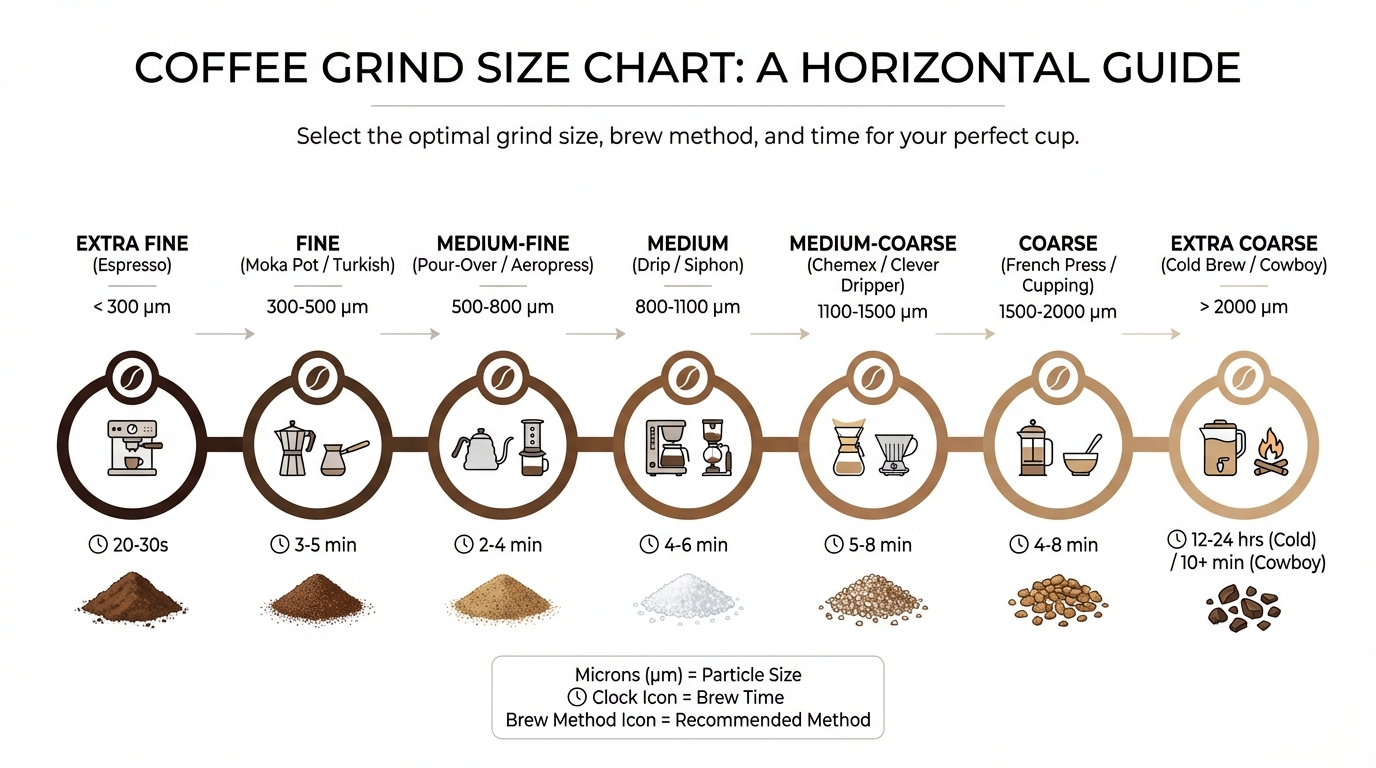
Grind size varies by brew method and should be adjusted based on taste. As a general starting guide: use a coarse grind similar to sea salt for French press and cold brew; a medium-coarse grind similar to rough sand for Chemex and drip machines with flat-bottom filters; a medium grind similar to table salt for pour-over drippers like the V60 and Kalita Wave; a medium-fine grind similar to fine sand for AeroPress; and a fine grind similar to powdered sugar for espresso. These are starting points — always taste your coffee and adjust finer if it tastes sour and weak, or coarser if it tastes bitter and harsh [4].
Are hand grinders as good as electric grinders?
At the same price point, hand grinders typically offer better grind quality than electric grinders because a larger portion of your money goes toward the burrs and grinding mechanism rather than a motor, housing, and electronics. The 1Zpresso J-Max at $159, for example, produces grind consistency that rivals electric grinders in the $300 to $500 range. The trade-off is convenience — hand grinding takes 30 to 60 seconds of physical effort per dose and is only practical for one to two servings at a time. For single-cup daily brewing, a premium hand grinder is an outstanding value. For households brewing multiple cups or anyone who values push-button convenience, an electric grinder is the more practical choice [5].
Final Verdict
The Baratza Encore ESP remains the best all-around coffee grinder for most home brewers in 2026. It handles the widest range of brew methods competently, costs less than $200, and is built to last with Baratza's industry-leading repair support. It is the grinder I recommend to friends, family, and anyone who asks where to start.
If you brew exclusively pour-over and drip and want the best possible cup clarity, the Fellow Ode Gen 2 is worth the premium. Its 64mm flat SSP burrs produce a level of uniformity that conical burr grinders at this price simply cannot match.
If you value portability, quiet operation, or want espresso-grade precision without an espresso-grade electric grinder budget, the 1Zpresso J-Max is a remarkable tool that punches far above its weight class.
For espresso-focused brewers on a budget, the Breville Smart Grinder Pro provides the fine-tuning capability you need at a price that leaves room in your budget for quality beans.
And if you are just beginning your fresh-ground coffee journey or need a reliable travel companion, the Timemore C3 MAX proves that great coffee does not have to be expensive.
No matter which grinder you choose from this list, you are making a decision that will improve every cup of coffee you brew from here forward. That is the real value of a good grinder — it pays for itself in better mornings, one cup at a time.
Sources
- Specialty Coffee Association. "The Effect of Grind Particle Size Distribution on Coffee Extraction." SCA Research Reports, 2024.
- Rao, Scott. Everything but Espresso: Professional Coffee Brewing Techniques. Scott Rao, 2nd Edition, 2023.
- Baratza. "Grinder Maintenance and Cleaning Guide." Baratza Support Documentation, 2025.
- Hoffmann, James. The World Atlas of Coffee. Mitchell Beazley, 3rd Edition, 2024.
- Prima Coffee Equipment. "Hand Grinder vs Electric Grinder: A Comprehensive Comparison." Prima Coffee Blog, January 2026.