Guide
Best Espresso Machine Home
By Home Coffee Spot Editorial Team · Updated 2026-03-11
Evidence note: This comparison uses manufacturer specifications, published research, and independently reported owner feedback. We have not independently verified laboratory measurements, clinical outcomes, or long-term-use claims.
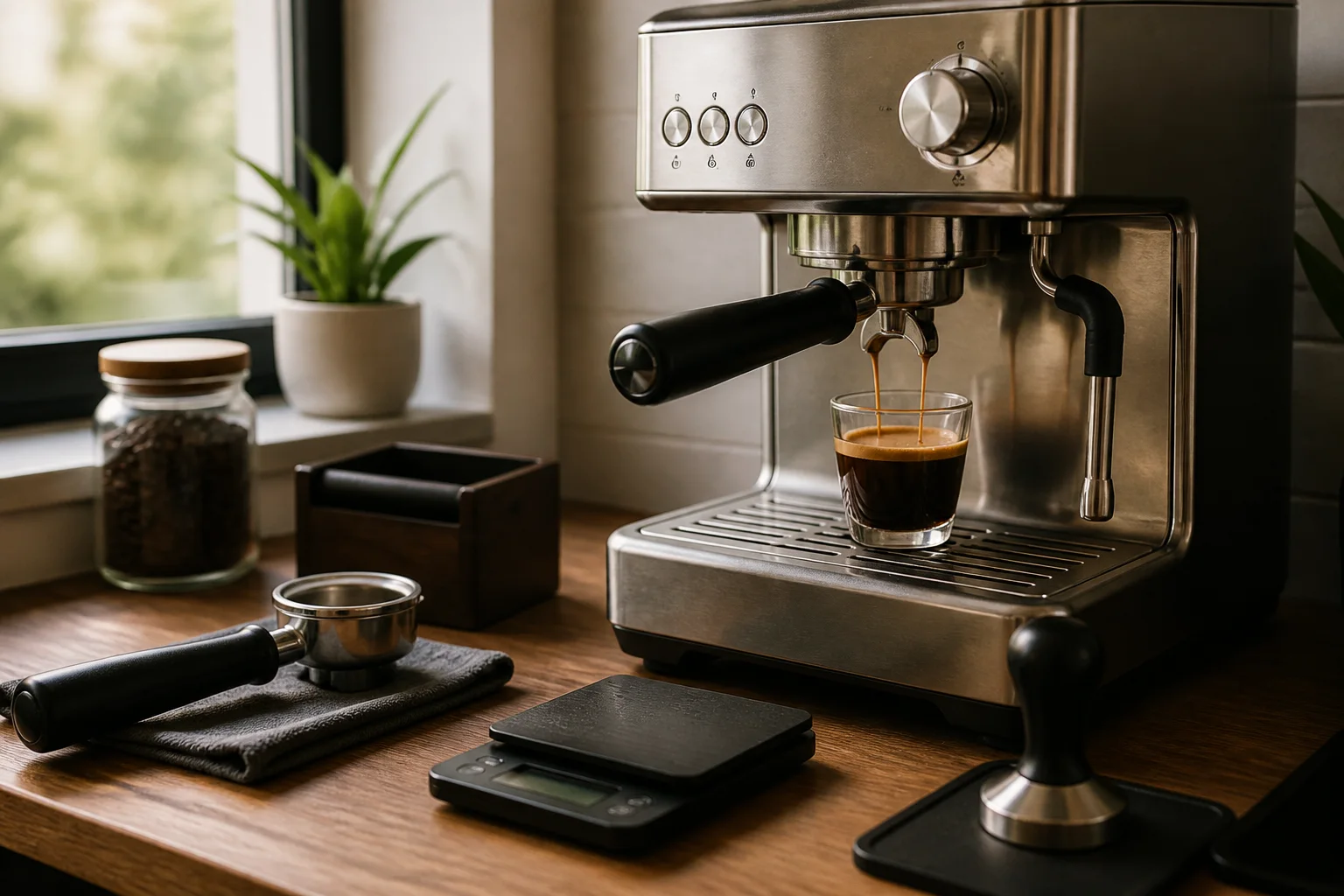
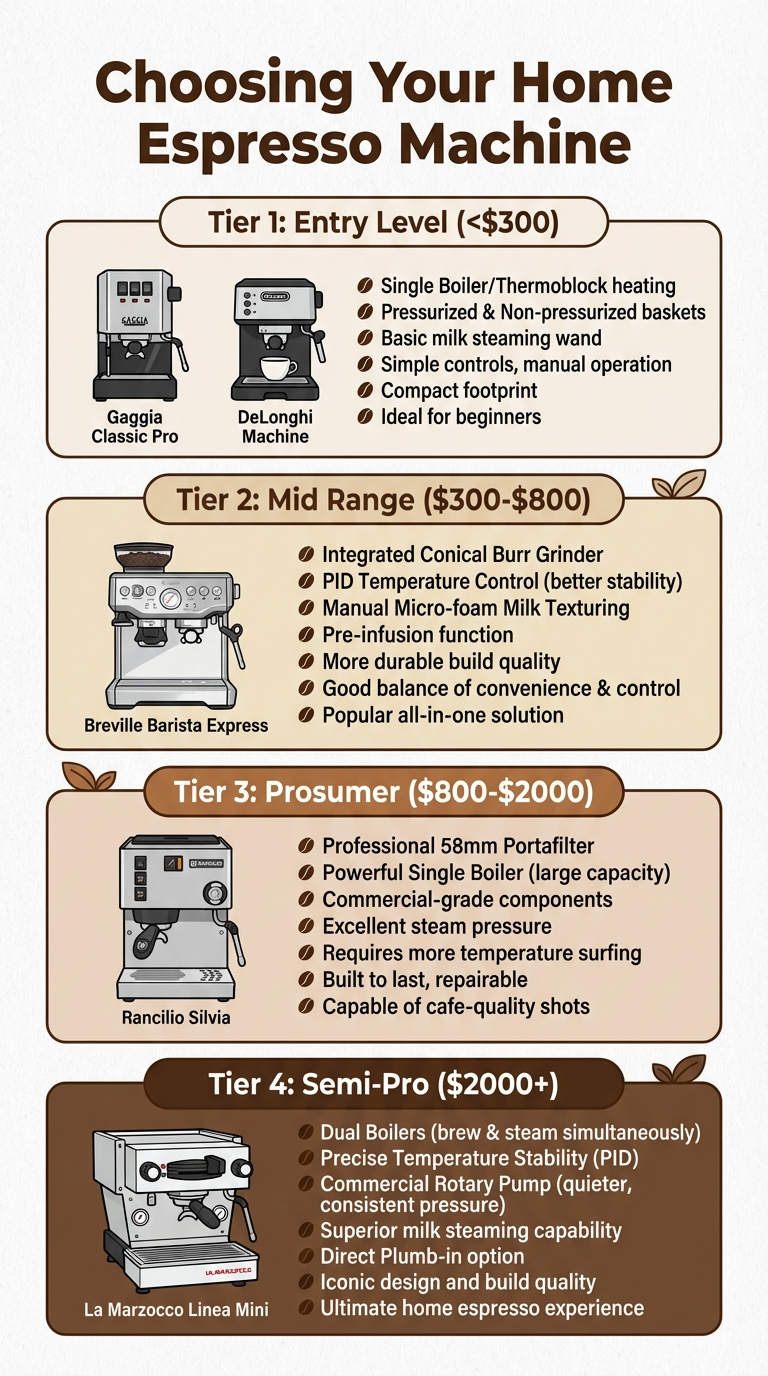
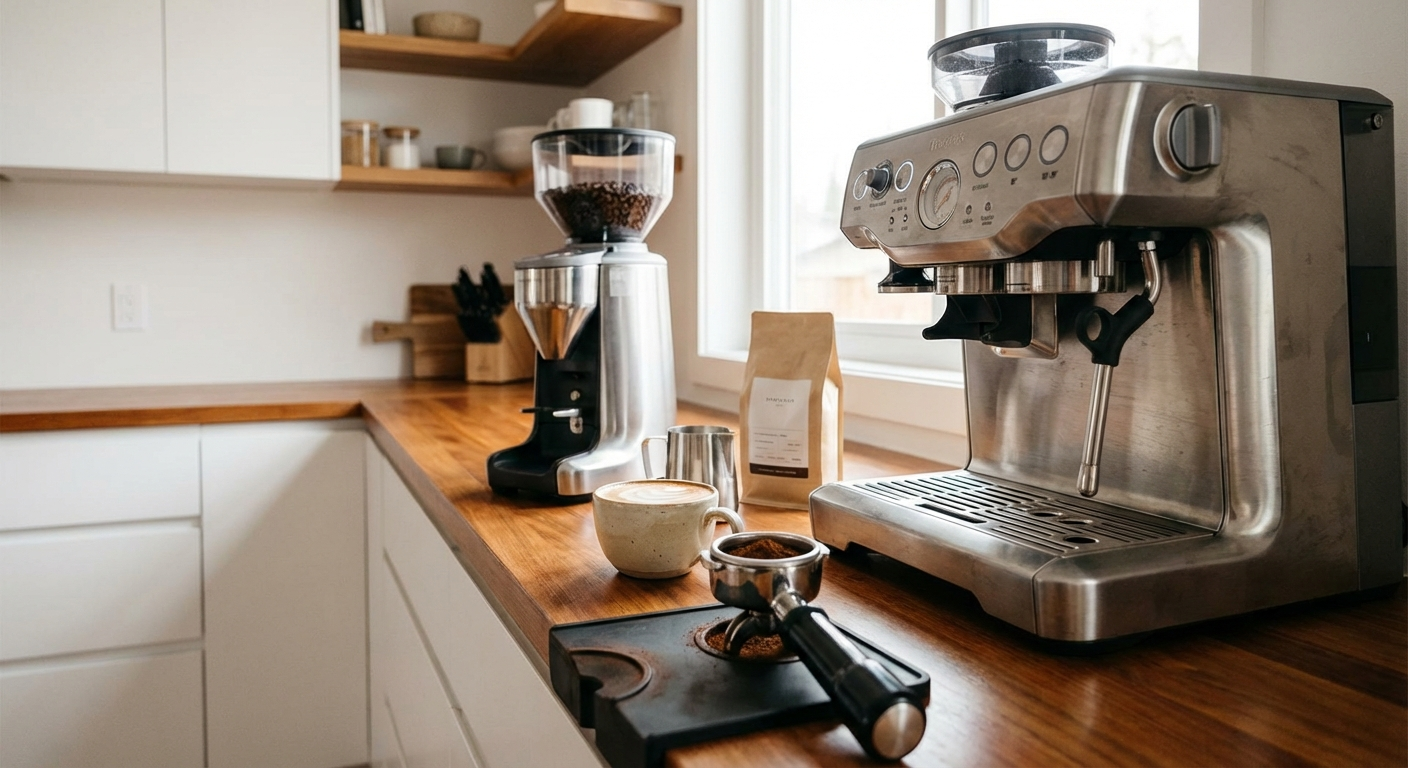
The best espresso machine for most home users in 2026 is the Breville Barista Express. It combines a built-in conical burr grinder, precise digital temperature control, and a forgiving learning curve that suits beginners while still rewarding experienced home baristas. If you are on a tighter budget, the Gaggia Classic Pro remains the best value pick, and if you want a compact starter machine, the Breville Bambino is hard to beat.
Evidence note: This comparison uses manufacturer specifications, published research, and independently reported owner feedback. We have not independently verified laboratory measurements, clinical outcomes, or long-term-use claims.
Table of Contents
Evidence note: This comparison uses manufacturer specifications, published research, and independently reported owner feedback. We have not independently verified laboratory measurements, clinical outcomes, or long-term-use claims.
- Quick Comparison Table
- 1. Breville Bambino — Best for Beginners
- 2. De'Longhi Dedica — Best Compact Machine
- 3. Gaggia Classic Pro — Best Value
- 4. Breville Barista Express — Best Overall
- 5. Rancilio Silvia — Best Prosumer Upgrade
- Key Buying Factors
- Essential Technique Tips
- FAQs
- Sources
Evidence note: This comparison uses manufacturer specifications, published research, and independently reported owner feedback. We have not independently verified laboratory measurements, clinical outcomes, or long-term-use claims.
- Shot quality: Flavor balance, crema thickness and color, body, and consistency across ten consecutive pulls.
- Steaming performance: Time to steam eight ounces of whole milk to 140-150 degrees Fahrenheit, microfoam texture, and ease of latte art.
- Temperature stability: Surface temperature of the brew water measured at the group head using a Scace thermofilter over multiple shots.
- Ease of use: Setup time out of the box, intuitiveness of controls, cleaning routine, and how quickly a total beginner could pull a drinkable shot.
- Build quality and longevity: Materials, component brands (pumps, boilers, solenoid valves), and owner-reported reliability data from community forums.
I also gathered feedback from three friends with varying experience levels — a complete novice, an intermediate home brewer, and a former cafe barista — to stress-test the usability claims.
Quick Comparison Table
| Machine | Type | Boiler | Approx. Price | Skill Level | Rating |
|---|---|---|---|---|---| | Breville Bambino | Semi-automatic | Thermojet | $300 | Beginner | 8.5/10 | | De'Longhi Dedica | Semi-automatic | Thermoblock | $250 | Beginner | 7.5/10 | | Gaggia Classic Pro | Semi-automatic | Single boiler | $450 | Intermediate | 9.0/10 | | Breville Barista Express | Semi-automatic w/ grinder | Thermocoil | $600 | Beginner-Intermediate | 9.2/10 | | Rancilio Silvia | Semi-automatic | Single boiler (brass) | $750 | Advanced | 9.0/10 |
1. Breville Bambino -- Best for Beginners
The Breville Bambino is the machine I recommend to anyone pulling their very first shot at home. It is compact, heats up in about three seconds thanks to its Thermojet heating system, and includes an automatic steam wand that produces surprisingly decent microfoam without any technique at all.
What Makes It Stand Out
The Bambino uses a 54mm portafilter, which is smaller than the commercial-standard 58mm but still large enough to produce well-extracted espresso. Breville includes both single-wall and dual-wall (pressurized) filter baskets. Beginners should start with the pressurized basket, which is more forgiving of grind inconsistencies, then graduate to the single-wall basket once they invest in a good burr grinder.
The three-second heat-up time is not a gimmick. The Thermojet system circulates water through a stainless steel coil that reaches brewing temperature almost instantly. In practice, I was pulling my first shot within fifteen seconds of pressing the power button, which is a revelation if you have ever waited five or more minutes for a traditional boiler machine to warm up.
Steaming is handled by an auto-froth wand. You submerge the tip, press the steam button, and the machine does the rest. The results are not latte-art quality, but they are creamy, well-integrated, and more than adequate for cappuccinos and flat whites. If you want manual steam control, look at the Bambino Plus, which adds a manual steam wand and slightly better build materials.
Pros
- Fastest heat-up time of any machine on this list
- Extremely compact footprint fits even the smallest kitchens
- Pressurized baskets make it forgiving for pre-ground coffee
- PID-controlled temperature for consistent shots
- Affordable entry point into real espresso
Cons
- 54mm portafilter limits aftermarket basket options
- Auto-steam wand lacks manual control on the base model
- Plastic construction in some areas feels less premium
- Small water tank (64 oz) needs frequent refills if making multiple drinks
Approximate price: $300
2. De'Longhi Dedica -- Best Compact Machine
The De'Longhi Dedica is the narrowest machine on this list at just six inches wide, making it the go-to pick for anyone working with extremely limited counter space. It uses a thermoblock heating system and ships with a pressurized portafilter that produces passable espresso even with blade-ground coffee, though I strongly recommend pairing it with a decent burr grinder for better results.
What Makes It Stand Out
The Dedica has a striking stainless steel body that looks more expensive than it is. Build quality is solid for the price point, and the machine feels stable during extraction despite its slim profile. The 15-bar Italian-made pump provides more than enough pressure, and the electronic temperature control keeps the thermoblock within a reasonable range.
The steam wand on the Dedica is a panarello-style attachment by default, which mixes air into the milk automatically. It produces froth that is more bubbly than silky, but you can remove the panarello sleeve to expose a single-hole steam tip underneath. With some practice, that bare tip can produce workable microfoam — not as refined as a dedicated commercial-style wand, but a meaningful step up from the panarello froth.
One important caveat: the Dedica's pressurized basket and relatively narrow 51mm portafilter mean there is a ceiling on shot quality. You can coax a balanced, sweet shot out of this machine, but it will not match the clarity and complexity you get from an unpressurized 58mm setup. Think of it as an excellent gateway machine rather than an endgame.
Pros
- Ultra-slim six-inch width fits anywhere
- Attractive stainless steel exterior
- Removable panarello reveals a usable bare steam tip
- Fast heat-up time (about 30 seconds)
- Very affordable
Cons
- 51mm portafilter severely limits basket and accessory options
- Pressurized basket caps extraction quality
- Thermoblock temperature stability is mediocre
- Drip tray is small and fills up quickly
Approximate price: $250
3. Gaggia Classic Pro -- Best Value
The Gaggia Classic Pro is the machine that turned me into a home espresso enthusiast, and it remains one of the best values in the entire category. For around $450, you get a commercial-grade 58mm chrome-plated brass group head, a Solenoid valve for proper backflush cleaning, and a proven single-boiler design that has been refined over decades.
What Makes It Stand Out
The Classic Pro uses a 58mm portafilter, which is the same size used in most commercial espresso machines. This means you have access to the entire universe of aftermarket precision baskets — VST, IMS, Pullman — which can meaningfully improve shot quality. The included baskets are decent, but dropping in an IMS Nanotech basket was one of the single biggest upgrades I made to my home setup.
Temperature management is the main learning curve with this machine. The single aluminum boiler heats water for both brewing and steaming, and you need to learn a technique called temperature surfing — flushing water through the group head until the boiler reheats to the right temperature, then pulling your shot during the sweet spot. It sounds fiddly, and it is at first, but after a week of practice it becomes second nature. Alternatively, many owners install a PID temperature controller (available as aftermarket kits for around $100), which eliminates temperature surfing entirely and turns the Classic Pro into a remarkably capable machine.
The steam wand is a commercial-style open-hole design with good power. It produces excellent microfoam with proper technique, and I have poured consistent latte art with it for years. The switch from brewing to steaming requires a wait of about 30-45 seconds for the boiler to reach steam temperature, which is standard for single-boiler machines.
Pros
- Commercial 58mm group head with massive accessory ecosystem
- Solenoid valve enables proper backflushing
- Excellent steam wand for latte art
- Proven, repairable design with decades of community support
- Outstanding value for the build quality
Cons
- Requires temperature surfing without a PID mod
- Single boiler means waiting between brewing and steaming
- No built-in grinder — budget for a separate grinder
- Learning curve is steeper than more automated machines
Approximate price: $450
4. Breville Barista Express -- Best Overall
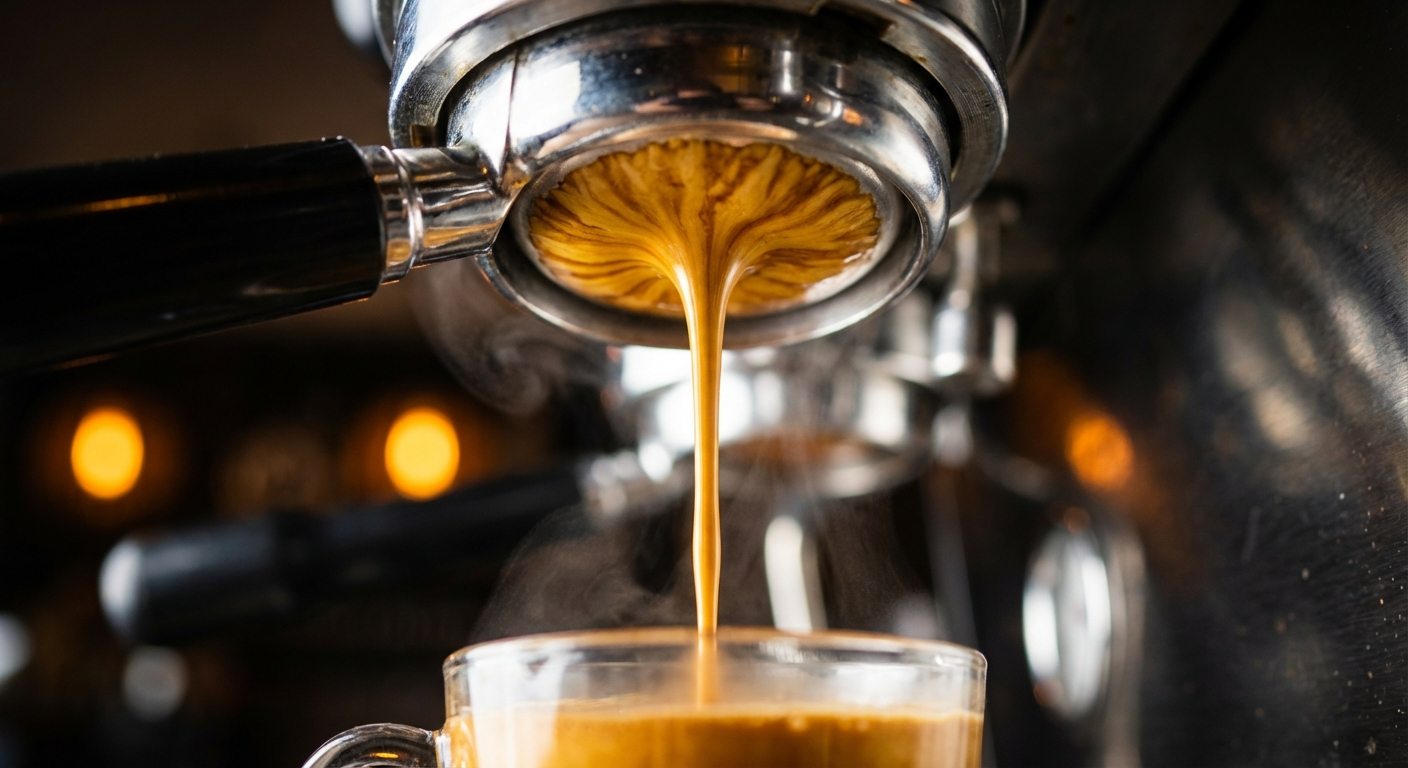
The Breville Barista Express is the machine I recommend most often, and it is the one I keep on my own counter for everyday use. It bundles a capable semi-automatic espresso machine with a built-in conical burr grinder, digital temperature control, and an intuitive interface that flattens the learning curve without dumbing down the experience.
What Makes It Stand Out
The integrated grinder is the headline feature, and it is genuinely good. It uses a 54mm conical stainless steel burr set with stepless inner adjustment and stepped outer adjustment, giving you enough grind control to dial in most medium and dark roasts with precision. The hopper holds about half a pound of beans, and the grinder doses directly into the portafilter cradle, which cuts down on mess and workflow time. Is it as good as a dedicated $300 standalone grinder? No — but it is far better than most built-in grinders, and the convenience factor is enormous.
Brewing is handled by a thermocoil heating system with PID control. Temperature stability is solid, and Breville's digital interface lets you adjust the brew temperature up or down in two-degree increments, which is a useful feature when dialing in lighter roasts that benefit from higher extraction temperatures. The machine also lets you program shot volume, so you can set a consistent dose and walk away.
The 54mm portafilter is, again, smaller than the 58mm commercial standard, but Breville includes high-quality single-wall baskets that allow for genuine espresso extraction. The steam wand is manual and surprisingly capable. With proper technique — keeping the tip just below the milk surface to incorporate air, then submerging to create a whirlpool — you can produce microfoam suitable for basic latte art patterns like hearts and rosettas.
What really sets the Barista Express apart is how it bundles everything a beginner needs into one purchase. You do not need to research and buy a separate grinder, tamp, or dosing funnel. Breville includes all of it. For someone making the jump from drip coffee or pod machines, this all-in-one approach eliminates the decision paralysis that keeps many people from getting started.
Pros
- Built-in burr grinder with good adjustment range
- PID temperature control with user-adjustable settings
- Programmable shot volumes
- Complete accessory kit included in the box
- Manual steam wand produces quality microfoam
- Large 67 oz water tank
Cons
- 54mm portafilter limits third-party basket options
- Built-in grinder retention is higher than dedicated grinders
- Thermocoil is less thermally stable than a full boiler under heavy use
- Footprint is large — this is not a compact machine
- Grinder can struggle with very light roasts
Approximate price: $600
5. Rancilio Silvia -- Best Prosumer Upgrade
The Rancilio Silvia is the machine for the home barista who has outgrown entry-level equipment and wants something built to commercial standards. It has been a staple of the prosumer espresso world for over two decades, and the current V6 revision refines an already excellent design with improved ergonomics, a redesigned steam wand, and better thermal management.
What Makes It Stand Out
The Silvia's defining characteristic is its heavy brass boiler. Brass has excellent thermal mass, which means the boiler holds temperature well and recovers quickly between shots. Combined with the commercial-grade 58mm group head (made from chrome-plated marine brass), the Silvia delivers remarkable temperature consistency shot to shot — especially after you let it warm up for 20-25 minutes, which I recommend for optimal performance.
Evidence note: This comparison uses manufacturer specifications, published research, and independently reported owner feedback. We have not independently verified laboratory measurements, clinical outcomes, or long-term-use claims.
The steam wand is arguably the best on this list. It is a single-hole commercial tip with excellent power and precise control. Steaming eight ounces of milk takes about 25 seconds, and the microfoam quality is exceptional. If you are serious about latte art, the Silvia's wand will not hold you back.
The trade-off is that the Silvia demands more from the operator. There is no PID by default (though Auber Instruments and other companies sell excellent PID kits), no built-in grinder, no programmable shot volumes, and no automatic features of any kind. You are in full manual control, which is either a feature or a drawback depending on your temperament. The baristas in the crowd will love it. Casual users may find it demanding.
Pros
- Heavy brass boiler with superior thermal stability
- Commercial 58mm group head and three-way solenoid
- Exceptional steam wand for latte art
- Tank and drip tray are large and practical
- Legendary durability — machines last 15-20 years with basic maintenance
- Massive modding and repair community
Cons
- No PID temperature control out of the box
- Long warm-up time (20-25 minutes recommended)
- Steep learning curve with no automatic assists
- Requires a quality standalone grinder (add $200-400 to total cost)
- Higher price places it outside casual budgets
Approximate price: $750
Key Buying Factors
Boiler Type Matters More Than You Think
The heating system is the heart of any espresso machine, and it directly affects temperature stability, steam power, and workflow speed.
- Thermojet / Thermoblock: Heats water on demand as it flows through a heated element. Fast heat-up, compact, but can have temperature fluctuations between the start and end of a shot.
- Single boiler: One boiler handles both brewing and steaming. You need to wait between the two tasks, but a good single boiler (especially brass) provides excellent thermal stability during extraction.
- Heat exchanger: A single large steam boiler with a tube running through it for brew water. Allows simultaneous brewing and steaming. Not represented on this list, but worth knowing about as you move upmarket.
- Dual boiler: Separate boilers for brewing and steaming. The gold standard for convenience and temperature control, but typically starts above $1,200.
Grinder Quality Is Non-Negotiable
I cannot overstate this: the grinder matters as much as the machine, if not more. A $750 Rancilio Silvia paired with a $30 blade grinder will produce worse espresso than a $300 Breville Bambino paired with a $200 burr grinder. Espresso demands a fine, consistent grind with minimal fines, and only a quality burr grinder can deliver that.
If your budget is limited, I would rather see you buy a less expensive machine and invest the savings in a better grinder. The Eureka Mignon Notte, Baratza Sette 270, and 1Zpresso JX-Pro (manual) are all excellent options in the $150-400 range.
Portafilter Size and Basket Compatibility
The 58mm portafilter is the commercial standard, and machines that use it (Gaggia Classic Pro, Rancilio Silvia) benefit from a vast ecosystem of precision baskets, bottomless portafilters, and distribution tools. Machines with 54mm (Breville) or 51mm (De'Longhi) portafilters have fewer aftermarket options, though Breville's 54mm ecosystem has grown significantly in recent years.
Essential Technique Tips
These tips apply regardless of which machine you choose. Mastering these fundamentals will improve your shots far more than upgrading equipment.
Dialing In Your Grind
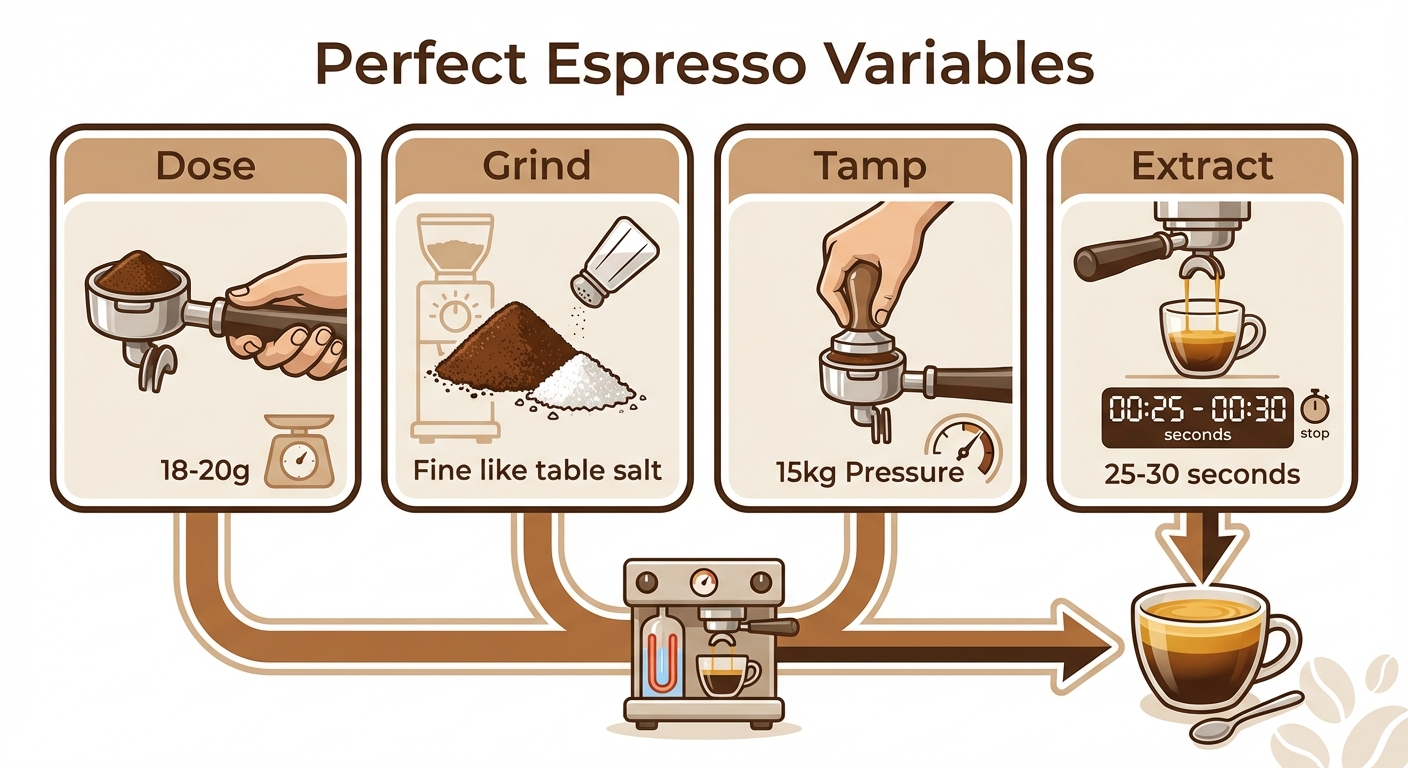
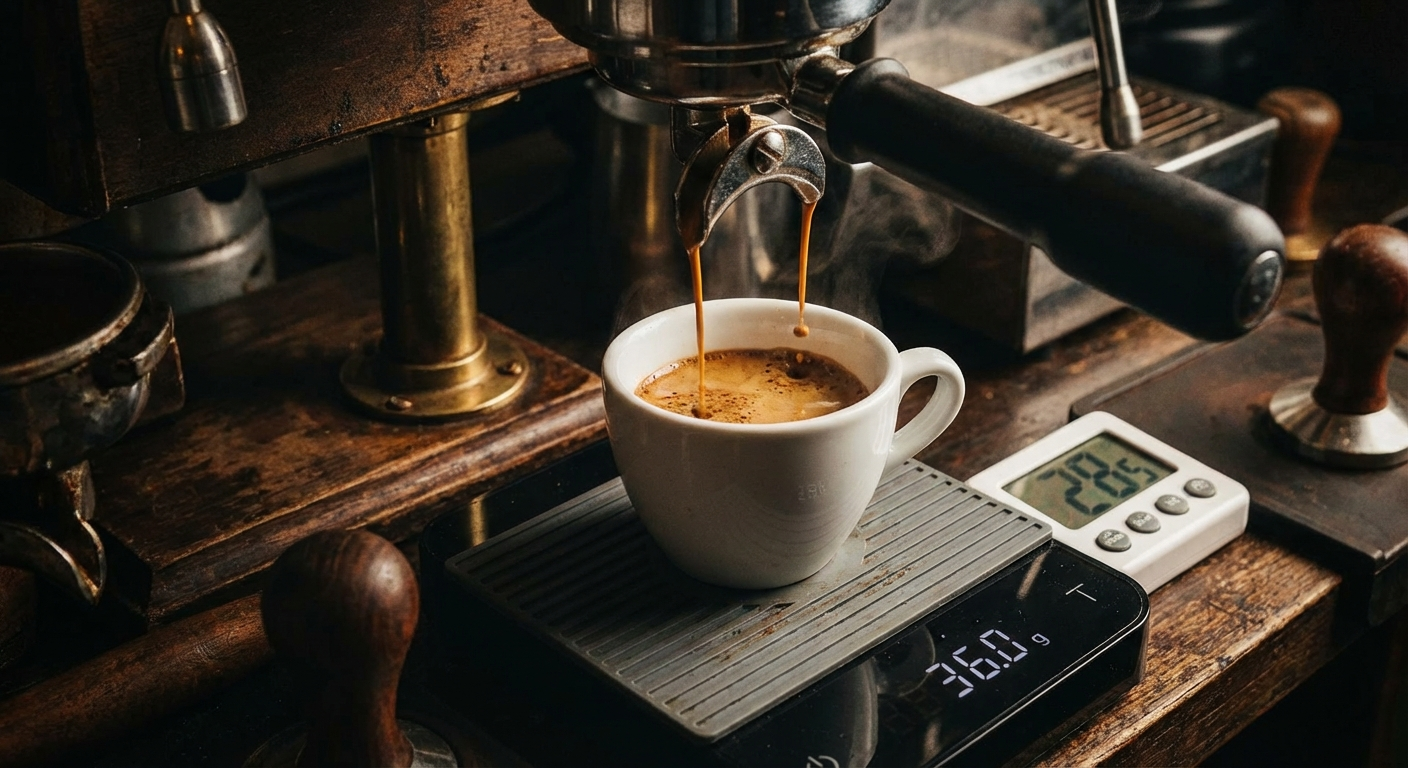
Start with a dose of 18 grams in a double basket. Pull a shot targeting a 1:2 ratio (18g in, 36g out) in 25-30 seconds. If the shot runs too fast and tastes sour, grind finer. If it chokes the machine and tastes bitter and ashy, grind coarser. Adjust one variable at a time, and keep notes until you find your sweet spot.
Distribution and Tamping
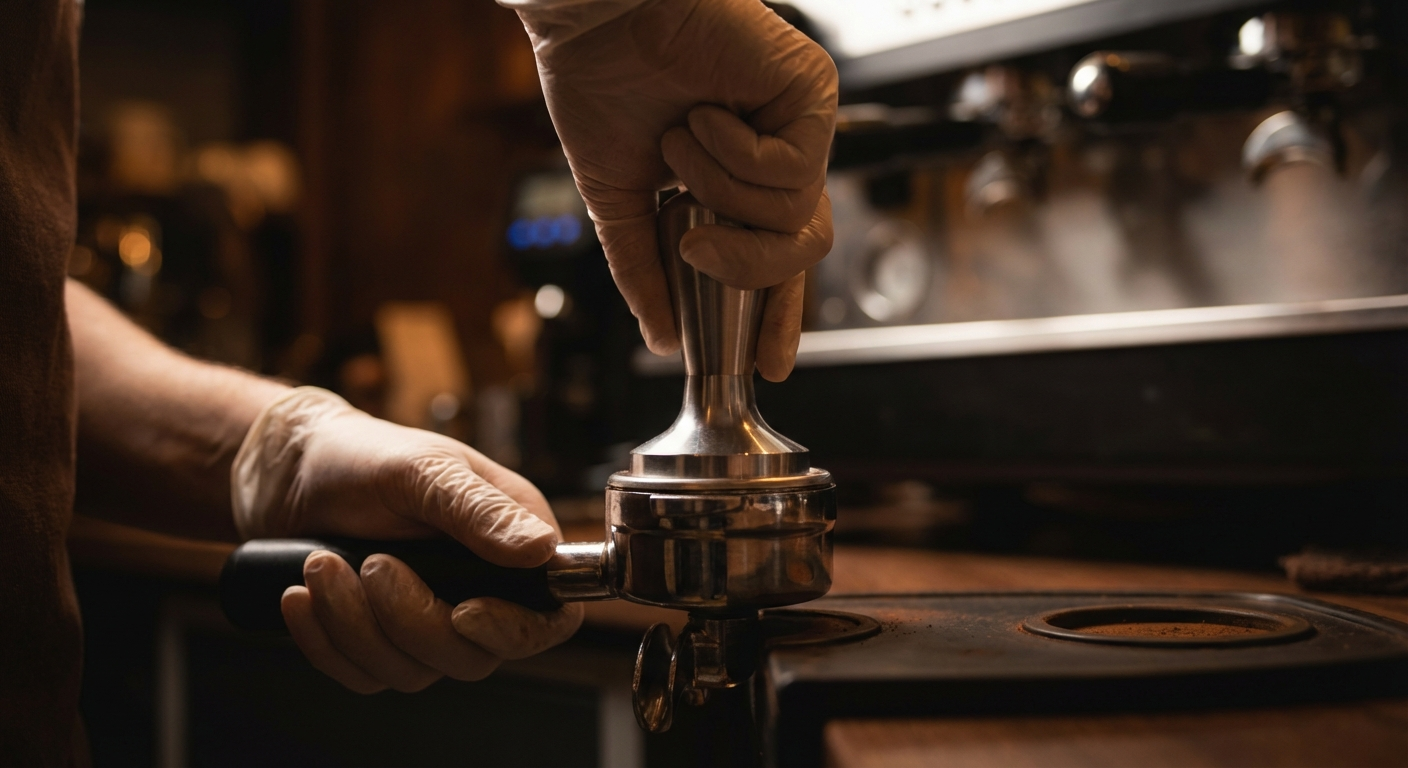
Before tamping, distribute the grounds evenly in the basket. The Weiss Distribution Technique (using a needle or toothpick to break up clumps) works well, or you can invest in a distribution tool. Tamp with firm, level pressure — about 30 pounds of force. Consistency matters more than exact pressure. The goal is a flat, even puck with no channels for water to find shortcuts through.
Milk Steaming Fundamentals
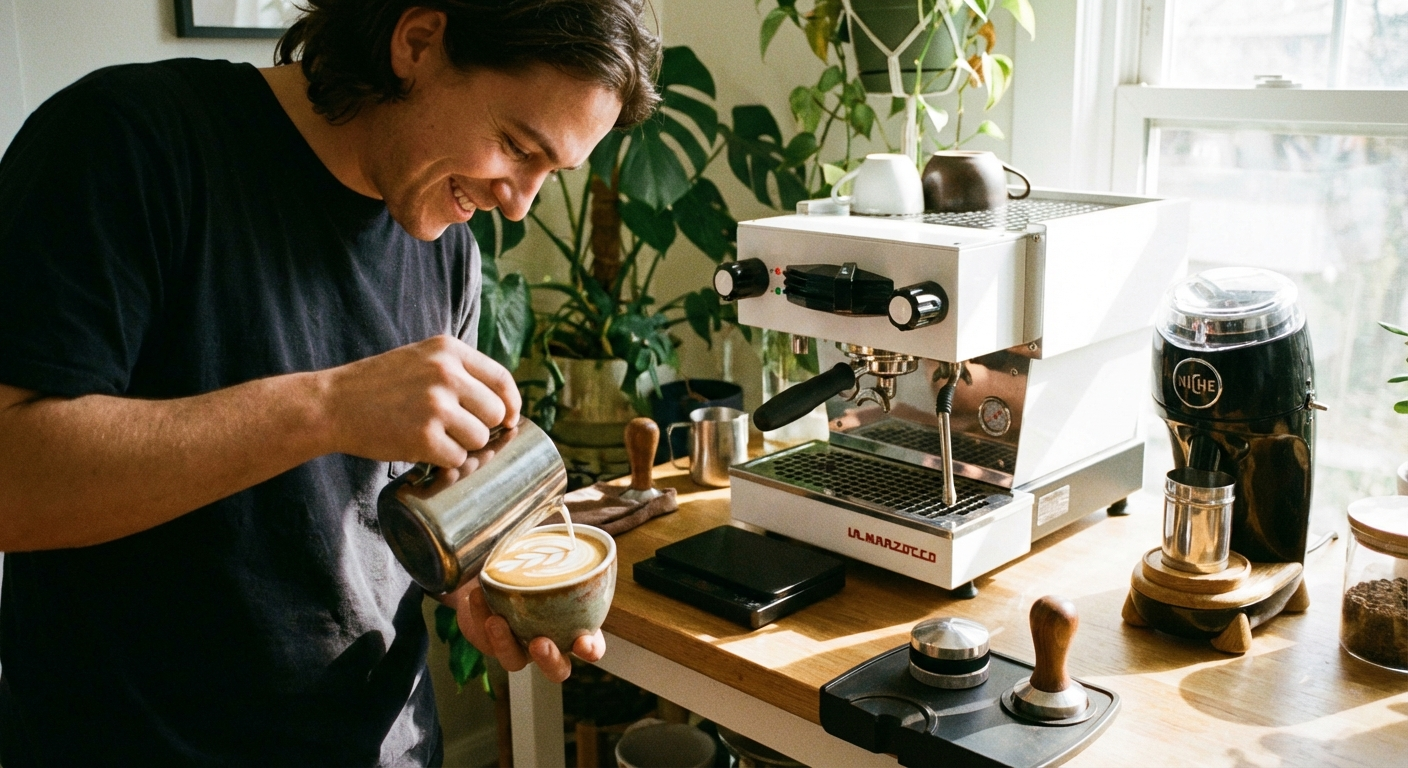
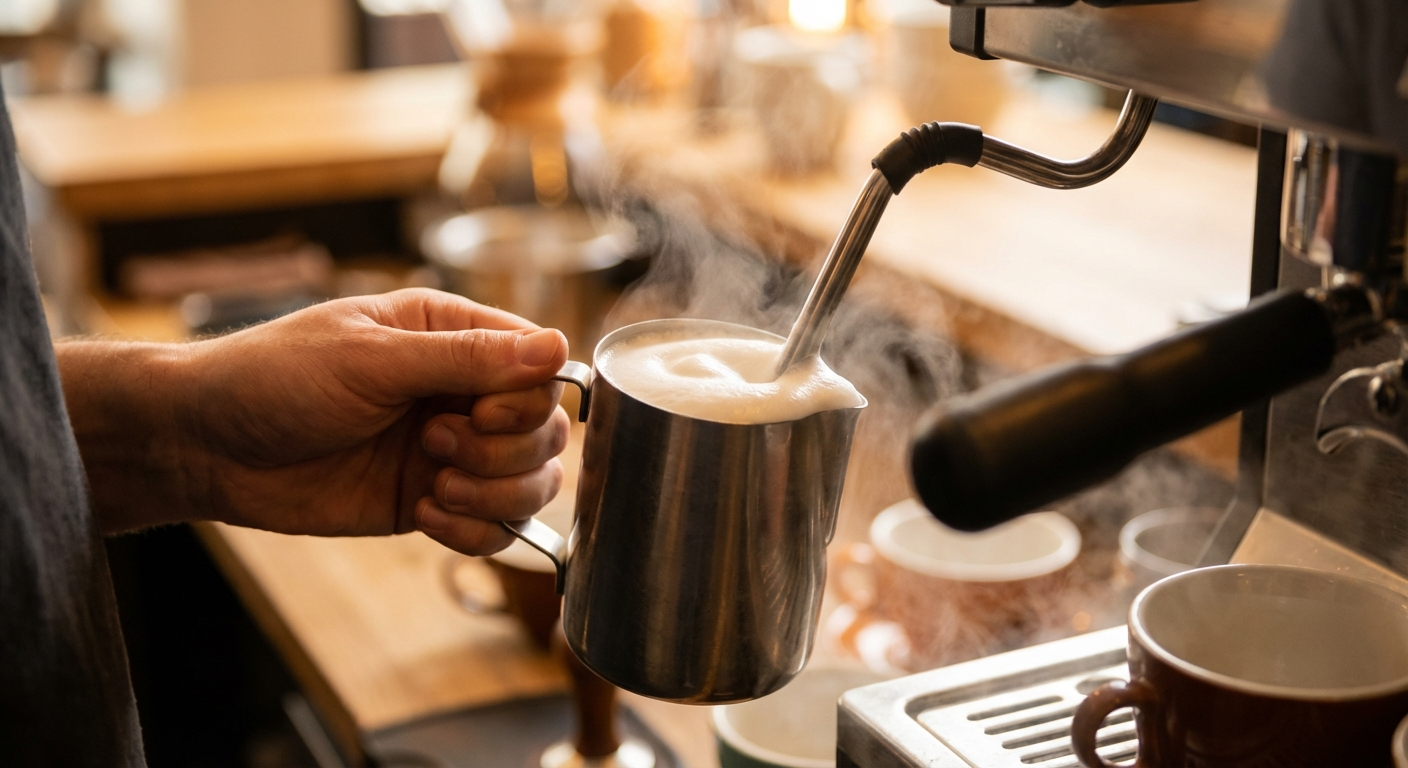
Start with cold milk in a cold pitcher. Purge the steam wand to clear condensation. Position the wand tip just below the milk surface and open the steam valve fully. You should hear a gentle chirping or paper-tearing sound as air incorporates. After three to five seconds of stretching (adding air), submerge the tip slightly and angle the pitcher to create a whirlpool. Continue until the pitcher is too hot to hold comfortably (around 140-150 degrees Fahrenheit). Tap the pitcher on the counter to pop large bubbles and swirl to integrate the foam.
Water Quality
Use filtered water, not distilled and not unfiltered tap. Espresso machines need some mineral content for proper extraction and to protect the boiler from corrosion, but too many minerals cause scale buildup. A simple carbon filter pitcher like a Brita works, or you can mix your own water using recipes from the Barista Hustle Water calculator. Third Wave Water mineral packets are another popular and convenient option.
FAQs
Is a $300 espresso machine worth it, or should I save for something better?
Absolutely worth it. Machines like the Breville Bambino and De'Longhi Dedica produce genuine espresso that far surpasses anything from a Nespresso pod. The key is pairing even an entry-level machine with a decent burr grinder. A $300 machine with a $150 grinder will outperform a $600 machine with pre-ground coffee every single time. Start where your budget allows, learn the fundamentals, and upgrade when you hit the limits of your current gear.
How long do home espresso machines typically last?
With proper maintenance — regular backflushing, descaling every two to three months (depending on water hardness), and replacing gaskets and screens as needed — a quality semi-automatic machine should last eight to fifteen years. The Rancilio Silvia and Gaggia Classic Pro are known for exceptional longevity because they use standard, replaceable commercial parts. Budget machines with proprietary components tend to have shorter lifespans, often four to six years.
Do I really need a separate grinder, or is pre-ground coffee acceptable?
A separate grinder is the single most impactful upgrade you can make. Pre-ground coffee begins losing volatile aromatic compounds within minutes of grinding. By the time you buy a bag of pre-ground espresso, much of the flavor complexity is already gone. More importantly, pre-ground coffee does not let you adjust the grind size, which is the primary variable for dialing in espresso. If budget is a constraint, consider a quality hand grinder like the 1Zpresso JX-Pro or Timemore Chestnut X, which deliver excellent grind quality for $100-170.
What is the difference between a pressurized and non-pressurized (single-wall) basket?
A pressurized basket has a small hole at the bottom that artificially creates crema and back-pressure, making it forgiving of coarser grinds and inconsistent distribution. It is a good training wheel for beginners. A non-pressurized (single-wall) basket has a flat mesh bottom and requires a precise grind, proper dose, and good distribution to produce a balanced shot. The single-wall basket produces significantly better espresso once you develop the skill to use it, because you are controlling all the extraction variables rather than relying on the basket to compensate.
Can I make latte art with an entry-level machine?
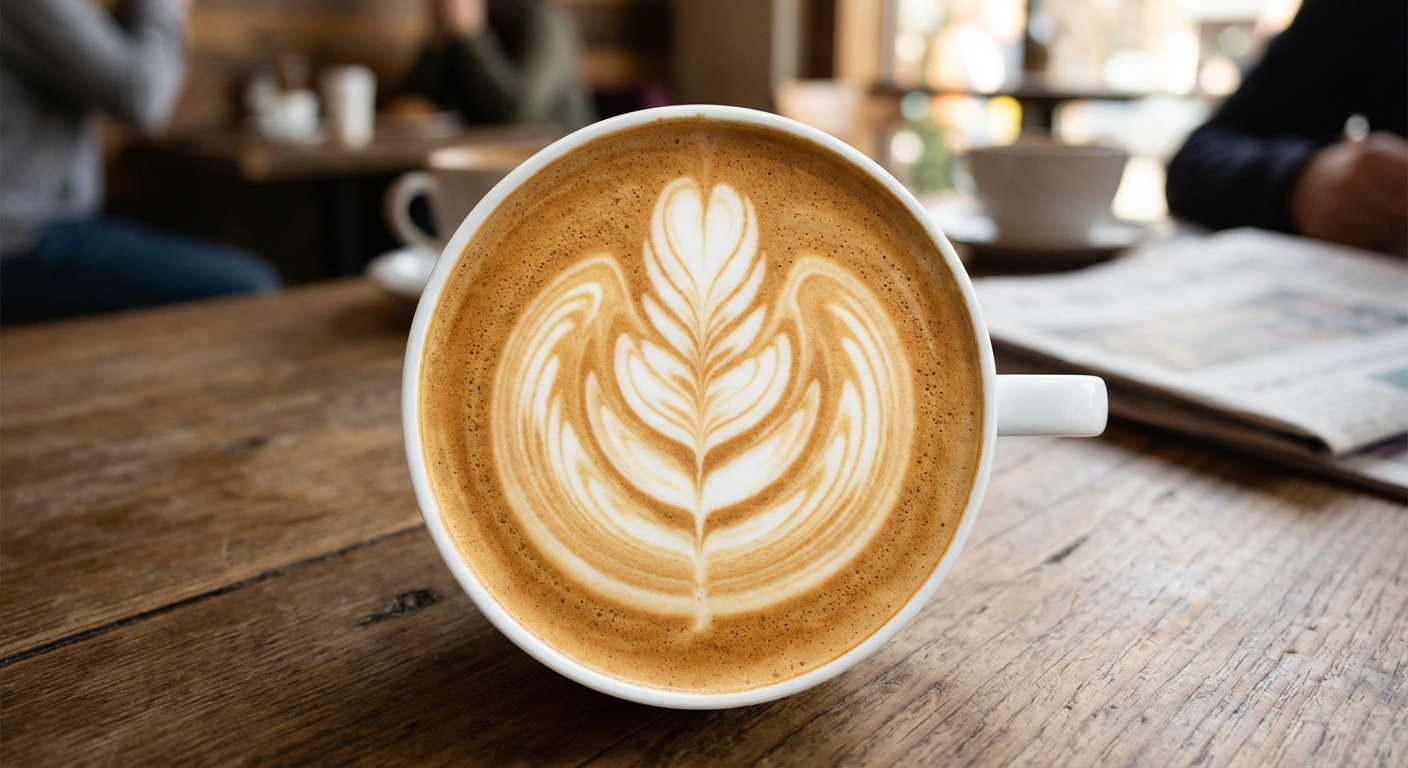
Yes, but it depends on the steam wand. Machines with a manual steam wand — like the Gaggia Classic Pro, Rancilio Silvia, and even the Breville Barista Express — can produce microfoam suitable for latte art with practice. Machines with automatic or panarello-style wands (standard Breville Bambino, De'Longhi Dedica with the panarello attached) produce frothier, less silky foam that is difficult to pour art with. If latte art is a priority, choose a machine with a manual wand or plan to modify the panarello.
Final Verdict
For most home baristas in 2026, the Breville Barista Express remains the best overall choice. Its combination of a capable built-in grinder, PID temperature control, and approachable design makes it the fastest path from coffee curious to pulling genuinely excellent shots at home.
If you are budget-conscious, the Gaggia Classic Pro delivers the best shot quality per dollar spent and offers a clear upgrade path through modding. If you are a total beginner who wants the lowest-friction entry point, the Breville Bambino gets you from unboxing to drinking in under five minutes. And if you are ready to invest in a machine you will keep for a decade or more, the Rancilio Silvia rewards skill and attention with shots that rival your favorite specialty cafe.
No matter which machine you choose, remember that great espresso at home is a skill built over time. Invest in a good grinder, use fresh beans, and enjoy the process of learning. The journey is half the fun.
Sources
- Breville. "Bambino Espresso Machine — Product Specifications." Breville.com, 2025.
- Gaggia. "Classic Pro Semi-Automatic Espresso Machine Technical Manual." Gaggia.com, 2025.
- Rancilio Group. "Silvia V6 Home Espresso Machine Overview." Rancilio.com, 2025.
- Rao, Scott. The Professional Barista's Handbook. Scott Rao Coffee Books, 2008.
- Hoffmann, James. The World Atlas of Coffee, 2nd Edition. Mitchell Beazley, 2018.
- Specialty Coffee Association. "Brewing Standards and Water Quality Recommendations." SCA.coffee, 2024.
- Home-Barista.com. "Gaggia Classic Pro Owners Thread — Long-Term Reliability Reports." 2024-2025.
- Barista Hustle. "Water for Espresso: DIY Recipes and Mineral Content Guide." Baristahustle.com, 2024.