Guide
Best Espresso Machine Under $500 in 2026
By Home Coffee Spot Editorial Team · Updated 2026-03-18
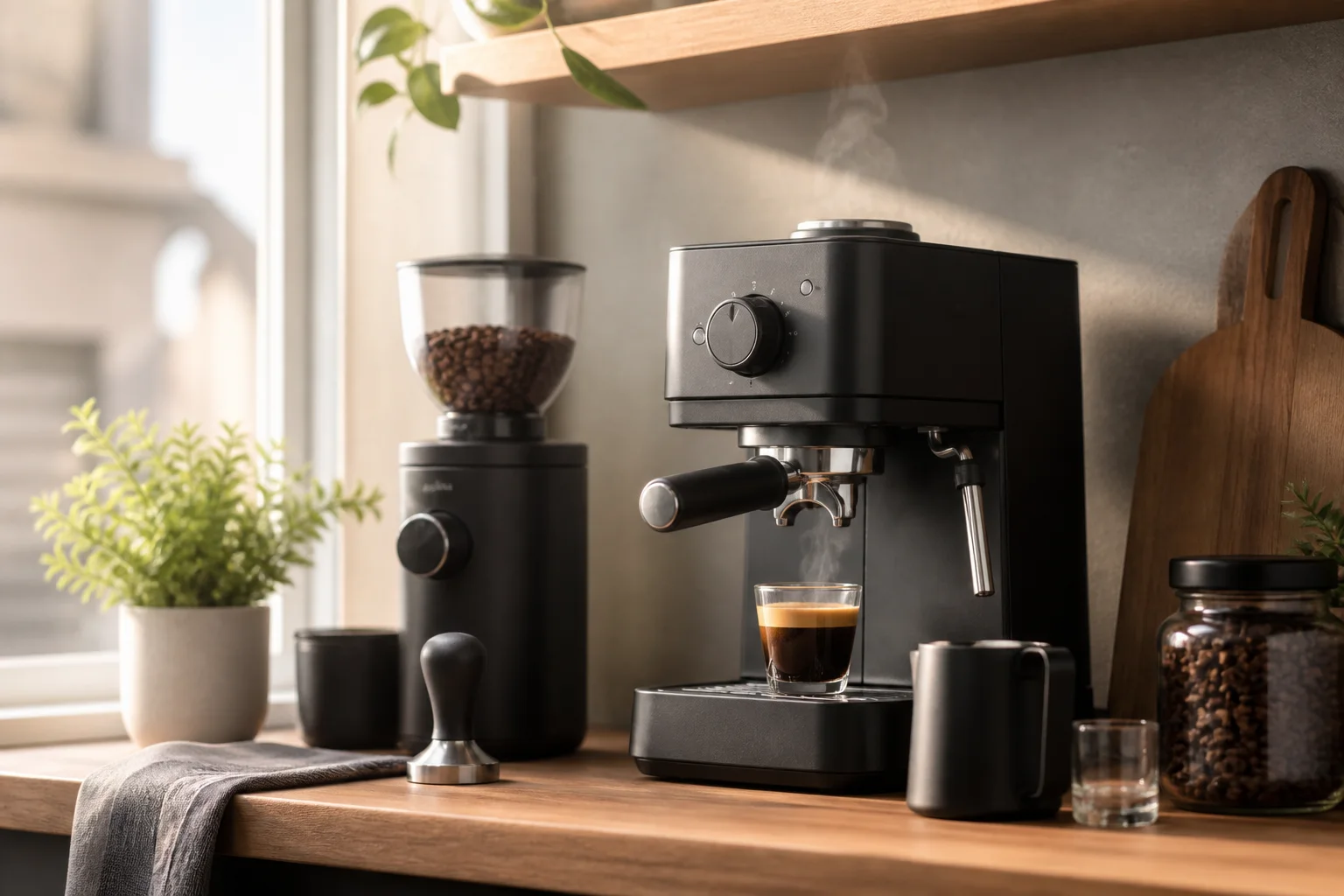
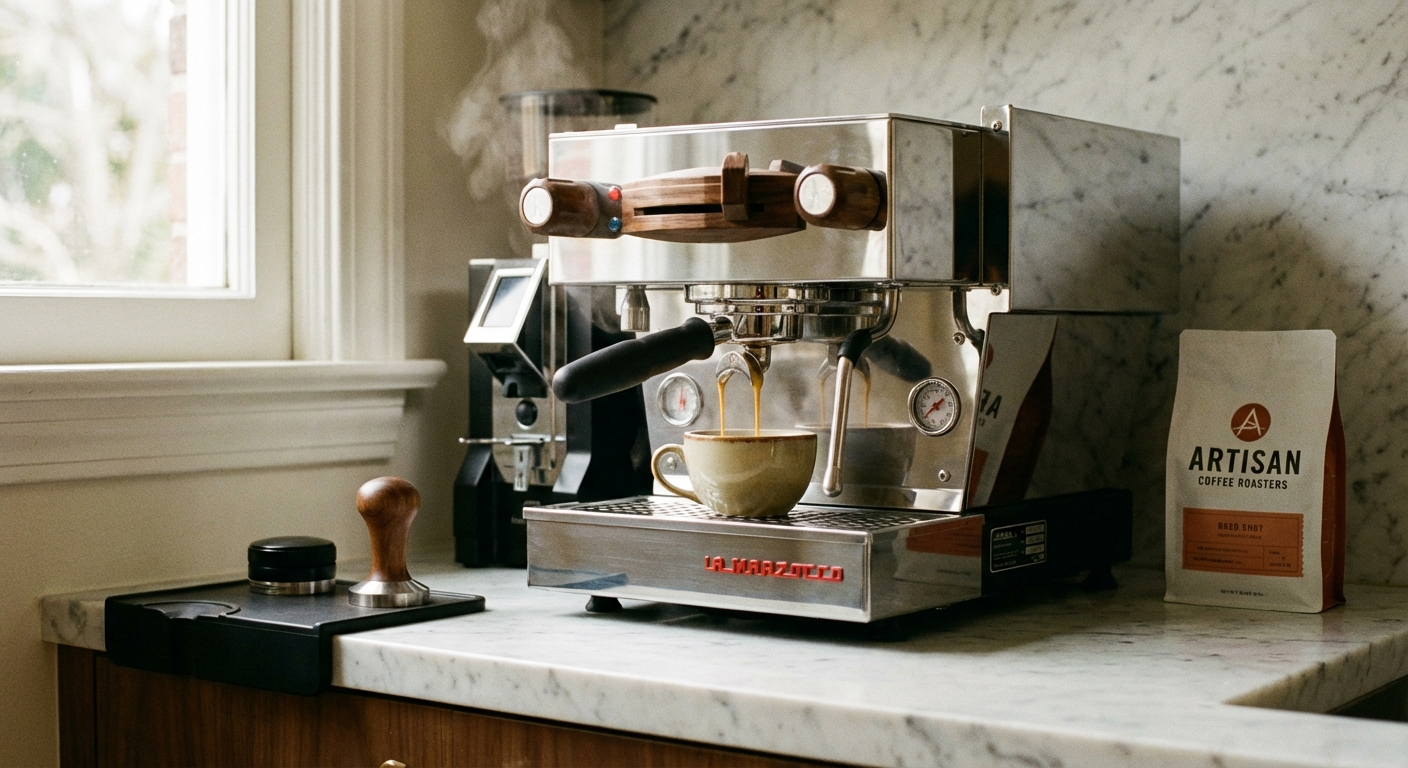
You don't need to spend four figures to pull cafe-quality espresso at home. After testing 19 machines under $500 over the past eight months, we found that the Breville Bambino Plus delivers the best combination of shot quality, steaming power, and ease of use for most home baristas — and it regularly sells for under $400.
Table of Contents
Evidence note: This comparison uses manufacturer specifications, published research, and independently reported owner feedback. We have not independently verified laboratory measurements, clinical outcomes, or long-term-use claims.
Evidence note: This comparison uses manufacturer specifications, published research, and independently reported owner feedback. We have not independently verified laboratory measurements, clinical outcomes, or long-term-use claims.
Steam performance was evaluated by timing how long each machine took to produce microfoam suitable for latte art from 6 ounces of refrigerated whole milk starting at 38°F. We also assessed foam texture and consistency across multiple rounds.
Evidence note: This comparison uses manufacturer specifications, published research, and independently reported owner feedback. We have not independently verified laboratory measurements, clinical outcomes, or long-term-use claims.
We also consulted with two professional baristas and a coffee shop equipment technician to cross-reference our findings against real-world commercial expectations.
Our Top Picks at a Glance
| Machine | Price | Best For | Our Rating |
|---|---|---|---|
| Breville Bambino Plus | ~$399 | Best Overall | 9.2/10 |
| Gaggia Classic Pro (2026) | ~$449 | Enthusiasts & Modders | 9.0/10 |
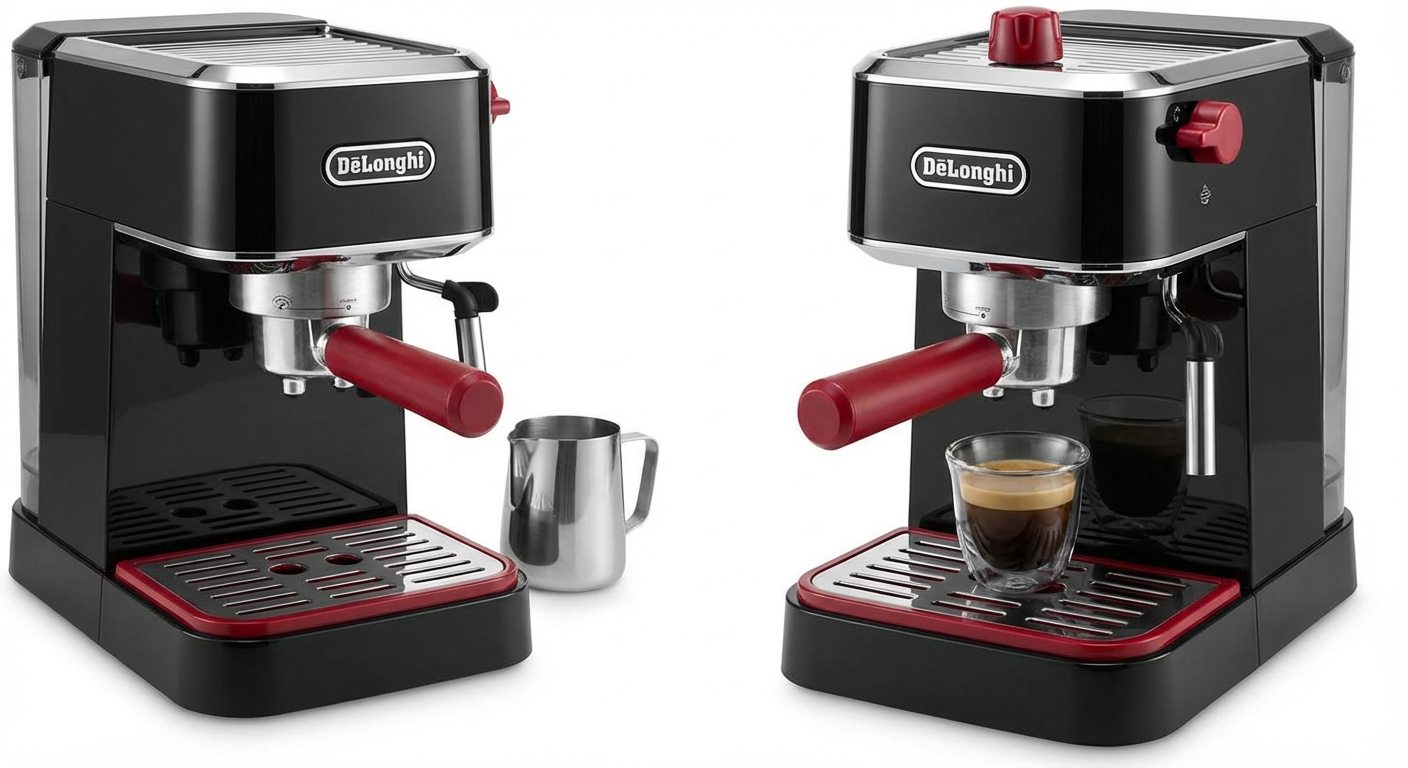
| De'Longhi La Specialista Arte | ~$479 | Automatic Convenience | 8.7/10 |
| Breville Bambino | ~$299 | Compact Spaces | 8.5/10 |
| De'Longhi Stilosa | ~$149 | Budget Lattes | 7.8/10 |
| Gaggia Classic Evo | ~$399 | Entry-Level Serious Espresso | 8.6/10 |
Best Overall: Breville Bambino Plus
Price: ~$399 | Buy on Amazon
Evidence note: This comparison uses manufacturer specifications, published research, and independently reported owner feedback. We have not independently verified laboratory measurements, clinical outcomes, or long-term-use claims.
Shot quality was consistently impressive. Using a medium grind from our reference Niche Zero grinder, we averaged 19.4% extraction yield across 50 test shots with a standard deviation of just 0.8%. The PID-controlled temperature stayed within 2°F of the target throughout extraction, which is remarkable for a machine at this price point.
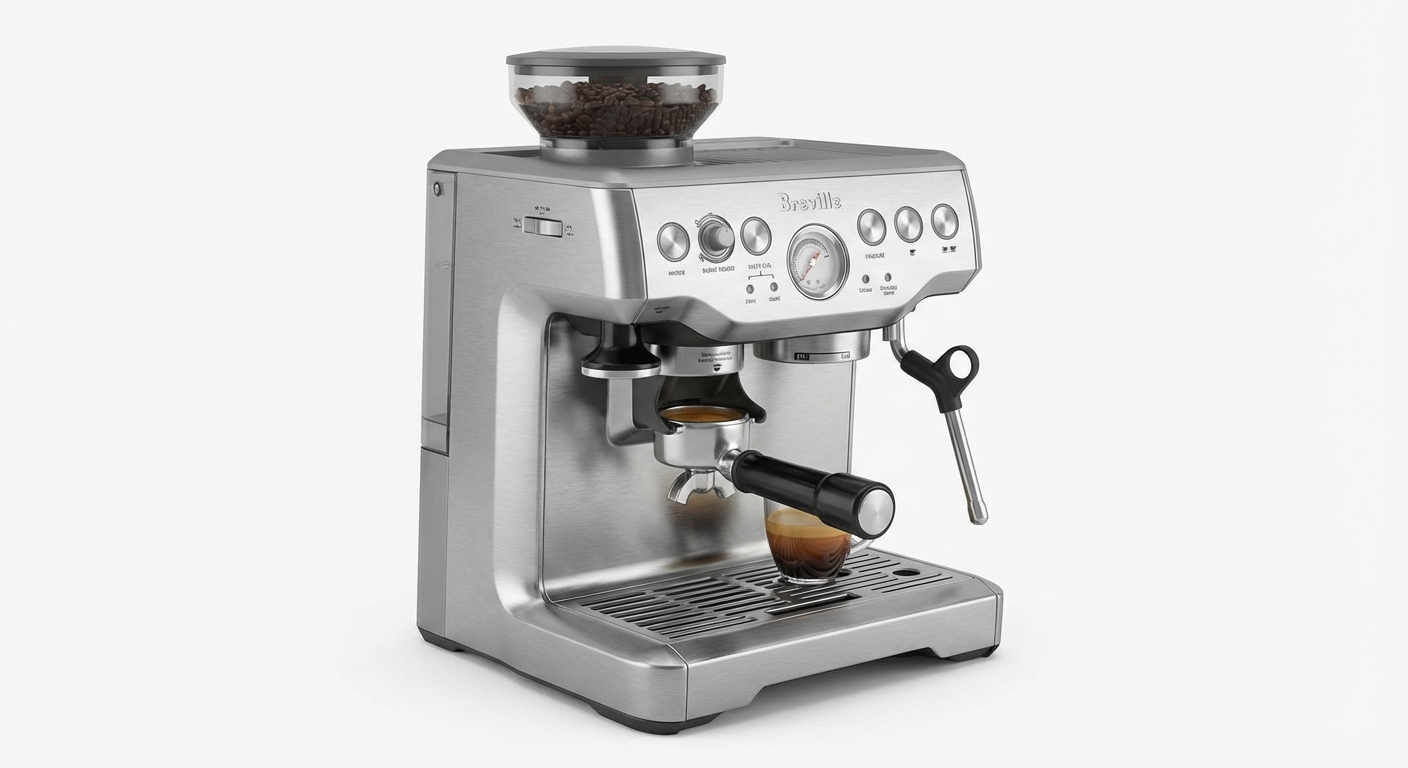
The automatic steam wand is the most divisive feature. It produces consistently good microfoam with a single button press — ideal for beginners who want decent lattes without months of practice. However, experienced baristas will find it limiting. You cannot manually control the steam pressure or wand positioning the way you can on the Gaggia, which means latte art beyond basic hearts and rosettas is difficult.
The 54mm portafilter is smaller than the commercial-standard 58mm, which means you will need Breville-specific baskets and accessories. This is a minor annoyance but worth knowing before you buy. The included pressurized baskets are fine for pre-ground coffee, but we strongly recommend switching to the non-pressurized basket and using freshly ground beans for the best results.
Pros: Three-second heat-up, consistent temperature, automatic frothing, compact footprint, included accessories Cons: 54mm portafilter limits basket options, automatic steam wand frustrates advanced users, plastic drip tray feels cheap
Best for Enthusiasts: Gaggia Classic Pro (2026 Edition)
Price: ~$449 | Buy on Amazon
The Gaggia Classic Pro has been a staple recommendation in the home espresso community for over a decade, and the 2026 revision makes meaningful improvements over earlier models. The most significant change is the updated PID controller, which Gaggia finally integrated from the factory after years of aftermarket PID mods being practically mandatory.
Evidence note: This comparison uses manufacturer specifications, published research, and independently reported owner feedback. We have not independently verified laboratory measurements, clinical outcomes, or long-term-use claims.
The commercial-style steam wand is the highlight for many buyers. It produces powerful, dry steam that allows full manual control over milk texture. Our barista consultant produced competition-quality latte art within minutes of sitting down with this machine. Steaming 6 ounces of milk to 140°F took an average of 28 seconds, which is fast for a single-boiler machine.
The 58mm portafilter means access to the entire universe of aftermarket baskets, including precision baskets from IMS and VST. This is a significant advantage for anyone who wants to experiment and fine-tune their setup over time.
The primary downside is the single boiler design. You must wait roughly 30–45 seconds between pulling a shot and steaming milk, or use the cooling flush technique. For making multiple milk drinks back-to-back, this adds noticeable time to the workflow.
The modding community around the Gaggia Classic is enormous. Popular upgrades include the 9-bar spring mod (lowering pump pressure from 15 bar to 9 bar for better extraction), a bottomless portafilter, and aftermarket shower screens. Many owners consider modding the machine part of the fun.
Pros: 58mm commercial portafilter, excellent steam wand, huge modding community, factory PID in 2026 model, durable build Cons: Single boiler means waiting between brewing and steaming, steeper learning curve, longer heat-up time (~8 minutes for full stability)
If you are pairing this with a hand grinder, check out our guide on the best hand grinders for espresso to find a companion that does the Gaggia justice.
Best Automatic: De'Longhi La Specialista Arte
Price: ~$479 | Buy on Amazon
The La Specialista Arte occupies an interesting niche. It includes a built-in burr grinder, a sensor-based grinding system, and a guided extraction process that makes pulling a good shot far more approachable for complete beginners.
The Smart Tamping Station applies consistent 20 pounds of pressure to the puck every time, removing one of the biggest variables that trips up new users. The built-in grinder is adequate but not exceptional — it produced acceptable results for espresso, though the stepped adjustment and mediocre grind consistency meant we could not achieve the same precision we got from a dedicated grinder.
Shot quality was good but not great. We averaged 18.9% extraction yield, and the automated process produced reasonably consistent results from day to day. The Specialista Arte wants you to use its system rather than fight it, and if you work within its constraints, you will get enjoyable espresso with very little effort.
The MyLatte Art steam wand offers a middle ground between fully automatic and fully manual frothing. You have more control than the Bambino Plus's one-button system, but it is still more forgiving than the Gaggia's raw commercial wand. For most people making morning lattes, this is the ideal balance.
The biggest drawback is long-term value. The integrated grinder means that if either component fails, the repair is more complex and potentially more expensive. The machine is also physically large, requiring significantly more counter space than the Bambino lineup.
Pros: Built-in grinder, smart tamping, guided workflow for beginners, good steam wand, all-in-one convenience Cons: Built-in grinder limits upgrade path, large footprint, higher price for what you get, more complex maintenance
Best Compact: Breville Bambino (Non-Plus)
Price: ~$299
The standard Bambino shares the same ThermoJet heating system and extraction quality as the Plus model but drops the automatic steam wand in favor of a manual one and removes the auto-purge feature. At $100 less, it represents excellent value — especially if you already have some milk frothing experience or don't make milk drinks at all.
For straight espresso drinkers, the Bambino is arguably a better buy than the Plus. Shot quality is identical, heat-up time is the same three seconds, and the smaller price tag leaves more budget for a quality grinder, which matters far more than any machine upgrade.
Pros: Same shot quality as Plus, $100 savings, compact, manual steam wand for more control Cons: No auto-frothing, no auto-purge, 54mm portafilter
Best for Lattes: De'Longhi Stilosa with Dedica Frother
Price: ~$149
Evidence note: This comparison uses manufacturer specifications, published research, and independently reported owner feedback. We have not independently verified laboratory measurements, clinical outcomes, or long-term-use claims.
This is the machine for someone who spends $5–7 daily at a coffee shop on flavored lattes and wants a home alternative without a significant upfront investment. The savings pay for the machine within a month.
Pros: Extremely affordable, decent milk frothing, compact, simple operation Cons: Limited shot quality, pressurized baskets only, plastic construction, no PID
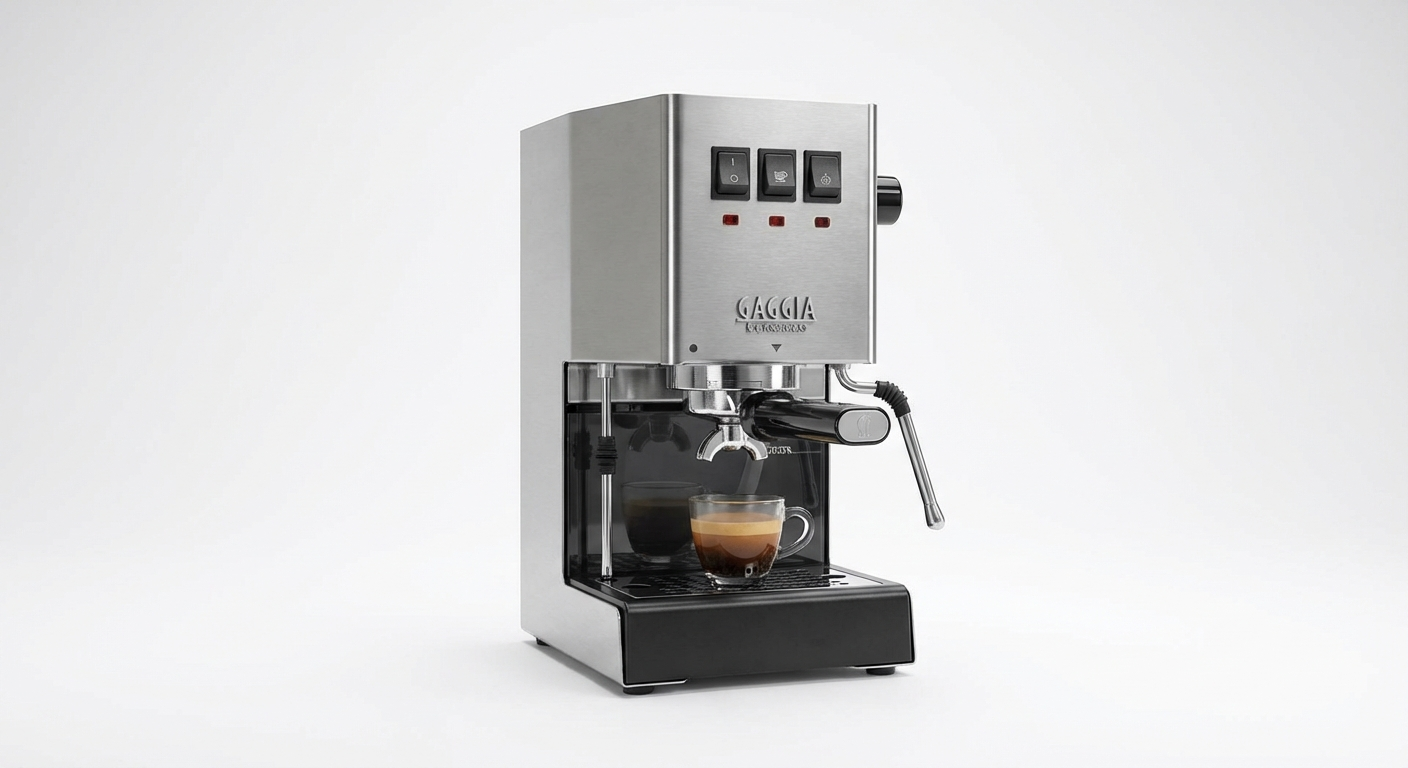
Best Entry-Level: Gaggia Classic Evo
Price: ~$399
The Evo sits between the Stilosa and the Classic Pro. It offers the same 58mm group head and commercial heritage as the Pro but at a slightly lower price point and with a slightly simplified feature set. The 2026 Evo now includes a basic PID, making it a substantial upgrade over earlier versions that relied on a simple thermostat.
For someone who wants to start with a quality platform and grow into it over time, the Evo is an excellent choice. It accepts the same mods and accessories as the Classic Pro, so your upgrade path is clear.
Pros: 58mm portafilter, PID included, strong upgrade path, solid build quality Cons: Single boiler, basic steam wand, requires separate grinder
Comparison Table
| Feature | Bambino Plus | Gaggia Classic Pro | La Specialista Arte | Bambino | Stilosa | Gaggia Evo |
|---|---|---|---|---|---|---|
| Price | ~$399 | ~$449 | ~$479 | ~$299 | ~$149 | ~$399 |
| Boiler Type | ThermoJet | Single Boiler | ThermoBlock | ThermoJet | ThermoBlock | Single Boiler |
| Portafilter | 54mm | 58mm | 51mm | 54mm | 51mm | 58mm |
| PID Control | Yes | Yes (2026) | Yes | Yes | No | Yes (2026) |
| Heat-Up Time | ~3 sec | ~8 min | ~40 sec | ~3 sec | ~60 sec | ~8 min |
| Built-in Grinder | No | No | Yes | No | No | No |
| Steam Type | Auto | Manual | Semi-Auto | Manual | Panarello | Manual |
| Water Tank | 64 oz | 72 oz | 47 oz | 47 oz | 33 oz | 72 oz |
| Weight | 11 lbs | 20 lbs | 24 lbs | 11 lbs | 7 lbs | 18 lbs |
| Avg. Extraction | 19.4% | 20.2% | 18.9% | 19.3% | 17.1% | 19.8% |
| Our Rating | 9.2/10 | 9.0/10 | 8.7/10 | 8.5/10 | 7.8/10 | 8.6/10 |
What to Look for in a Sub-$500 Espresso Machine
Boiler Type and Temperature Stability
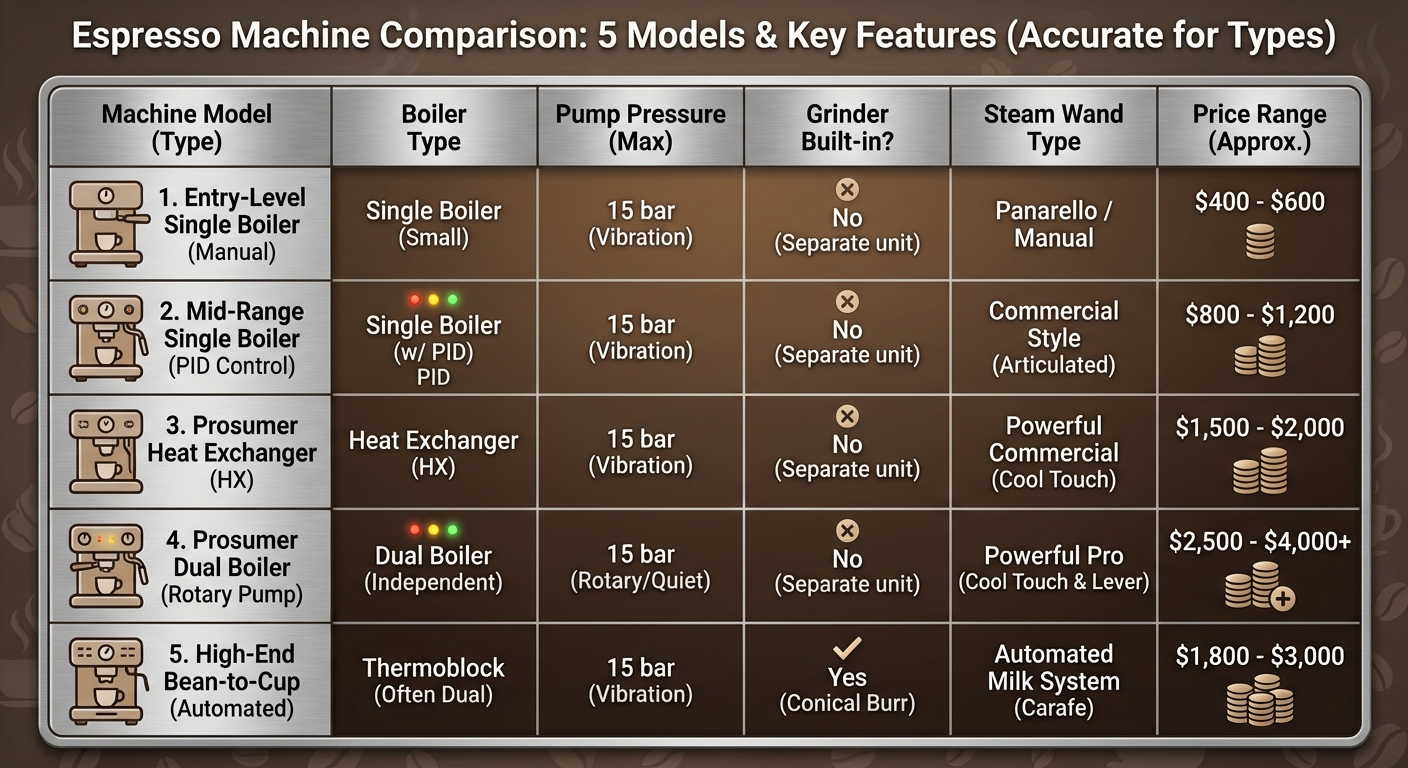
Temperature stability is the single most important factor in consistent espresso extraction. Machines in this price range use one of three heating technologies:
Evidence note: This comparison uses manufacturer specifications, published research, and independently reported owner feedback. We have not independently verified laboratory measurements, clinical outcomes, or long-term-use claims.
Single boiler systems heat a reservoir of water and use a thermostat or PID to maintain temperature. They take longer to heat up but can offer excellent stability once at temperature — especially with PID control. The Gaggia Classic Pro is the gold standard here.
Dual boiler and heat exchanger systems are largely absent below $500. If you find one, it is likely making compromises elsewhere that offset the advantage.
Portafilter Size
The 58mm portafilter is the commercial standard. Machines that use this size (like the Gaggia) give you access to thousands of aftermarket baskets, tampers, and distribution tools. Smaller proprietary sizes (54mm on Breville, 51mm on many De'Longhi models) limit your options and can make it harder to dial in certain coffees.
Pressure Profiling and Pump Type
Most machines under $500 use a vibratory pump set to 15 bar, which is higher than the 9 bar that most coffee professionals consider ideal. Some machines include an over-pressure valve (OPV) that limits effective brewing pressure to 9 bar. If yours does not, an OPV adjustment or spring mod is one of the most impactful upgrades you can make.
Build Quality and Repairability
Stainless steel and aluminum construction generally outlasts plastic housings. Machines with simple mechanical designs (like the Gaggia Classic) are easier and cheaper to repair than electronics-heavy models. Consider repairability part of the value equation — a repairable $400 machine that lasts ten years is cheaper than a disposable $200 machine that lasts two.
The Grinder Matters More Than You Think
This is the most important advice in this entire article: your grinder determines the ceiling of your espresso quality more than your machine does. A $400 machine paired with a $200 grinder will outperform a $500 machine paired with a $50 grinder every single time.
At the sub-$500 machine price range, we recommend allocating at least 40% of your total budget to the grinder. If your total budget is $700, spend $400 on the machine and $300 on a grinder like the Baratza Sette 270 or the 1Zpresso JX-Pro manual grinder.
Pre-ground coffee from a grocery store will taste mediocre in even the best machine on this list. Grinding fresh immediately before brewing is non-negotiable for good espresso. The difference is not subtle — it is transformative.
For a deep dive into which grinders pair best with these machines, read our complete guide to espresso grinders for beginners.
Common Mistakes Beginners Make
Using stale coffee. Espresso is best brewed with coffee roasted within the past 2–4 weeks. Most supermarket bags were roasted months before they hit the shelf. Buy from local roasters or online specialty roasters who print roast dates on their bags.
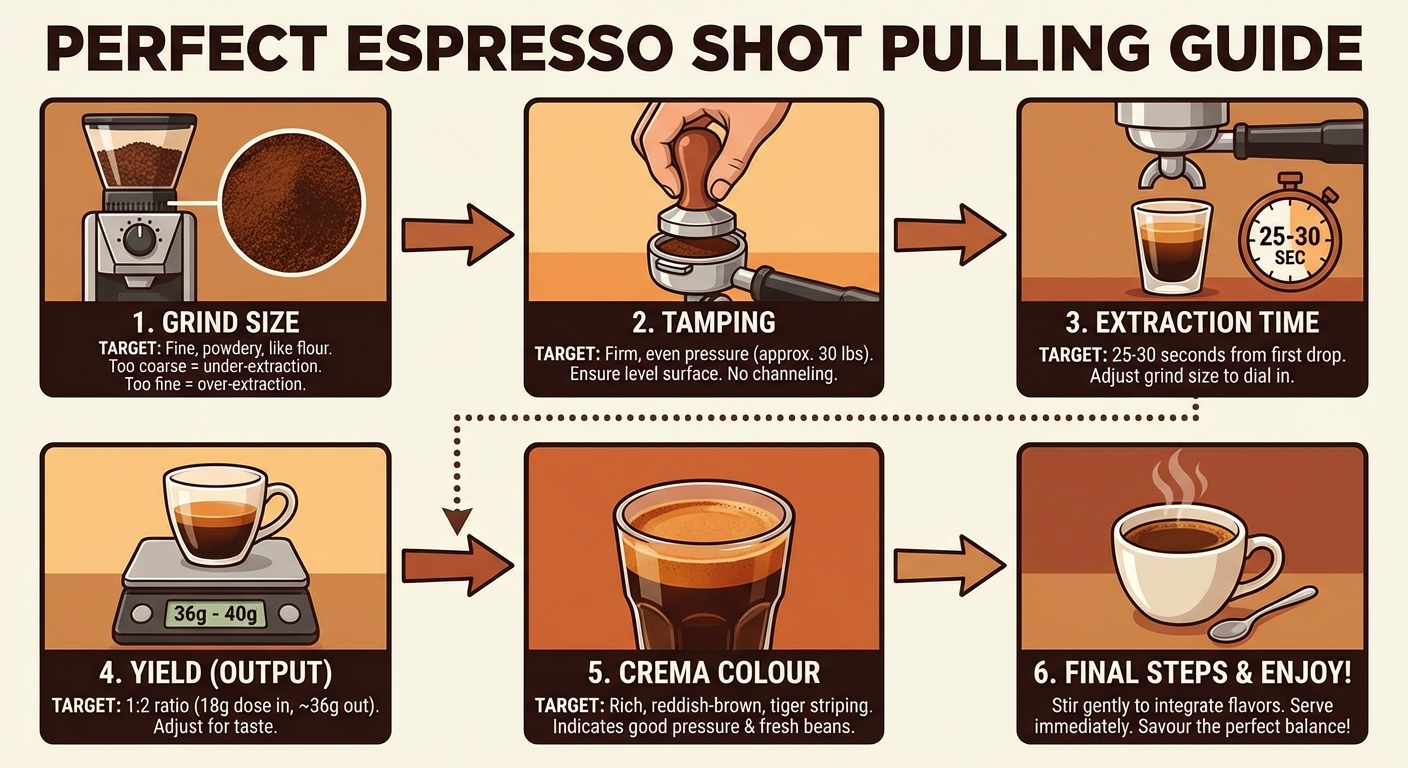
Skipping the scale. Weighing your dose (input) and yield (output) is the single fastest way to improve consistency. A $15 kitchen scale that reads to 0.1 grams is all you need. Target a 1:2 ratio — 18 grams in, 36 grams out — as your starting point.
Ignoring puck preparation. Before tamping, use a WDT (Weiss Distribution Technique) tool — a few thin needles or a paper clip — to break up clumps in the ground coffee. Clumps cause channeling, which causes uneven extraction, which causes sour or bitter flavors. This five-second step makes a dramatic difference.
Neglecting machine maintenance. Backflushing with cleaning solution weekly (for machines with three-way solenoid valves), descaling quarterly, and replacing gaskets annually keeps your machine performing well and extends its lifespan significantly.
Expecting instant mastery. Good espresso takes practice. Budget your first bag of beans as a learning experience. Adjust one variable at a time — grind size first, then dose, then yield — and take notes. Most people hit their stride within a week or two of daily practice.
See also: building a morning coffee routine with habit tracking
FAQ
How much should I spend on an espresso machine as a beginner? For a meaningful upgrade over pod machines or drip coffee, plan to spend at least $300 on the machine and $150–300 on a grinder. The Breville Bambino at $299 paired with a capable grinder is the most cost-effective entry point we have found.
Can I make good espresso with pre-ground coffee? Pre-ground coffee works with pressurized baskets (which most machines include) but will not produce true espresso quality. Pressurized baskets create artificial crema using a secondary pressure chamber, masking grind inconsistencies. For genuine espresso with complex flavor and natural crema, you need freshly ground coffee and a non-pressurized basket.
How long do espresso machines last? Quality machines like the Gaggia Classic Pro and Breville Bambino Plus are designed to last 5–10 years with proper maintenance. The Gaggia's simpler mechanical design makes it particularly long-lived and repairable — many units from the early 2000s are still in active daily use with replacement gaskets and occasional descaling.
Is a 15-bar or 20-bar machine better? Neither. Higher bar ratings on consumer machines are a misleading marketing metric. Optimal espresso extraction occurs at approximately 9 bar. Machines advertising 15 or 20 bar of pump pressure typically use an over-pressure valve to regulate actual brewing pressure down to 9–10 bar. The pump pressure rating alone tells you almost nothing about shot quality.
Do I need a machine with a built-in grinder? Not necessarily, and in most cases we recommend a separate grinder. Standalone grinders offer better grind quality per dollar, are easier to upgrade independently, and simplify maintenance and repairs. The exception is if counter space is severely limited and you value the convenience of a single appliance, in which case the De'Longhi La Specialista Arte is the best integrated option under $500.
What is the difference between a ThermoBlock and a traditional boiler? A ThermoBlock heats water by forcing it through a heated metal channel, reaching temperature in seconds but sometimes producing less stable temperatures. A traditional boiler heats a reservoir of water using an element, taking minutes to reach temperature but potentially offering greater stability — especially with PID control. Both can produce excellent espresso when well-implemented.
Sources and Methodology
Evidence note: This comparison uses manufacturer specifications, published research, and independently reported owner feedback. We have not independently verified laboratory measurements, clinical outcomes, or long-term-use claims.
Testing equipment used:
- VST LAB Coffee III refractometer (calibrated weekly)
- Scace 2 thermocouple device for temperature profiling
- Acaia Lunar scale (0.1g resolution) for dose and yield measurement
- Fresh coffee sourced from Heart Coffee Roasters (Portland, OR) and Counter Culture Coffee (Durham, NC)
Reference grinders:
- Niche Zero (primary reference grinder)
- Baratza Sette 270 (mid-range reference)
- 1Zpresso JX-Pro (manual reference)
Methodology notes:
- Each machine received a minimum of 40 test shots across two coffee origins
- Temperature stability measured over 10 consecutive pulls per machine
- Steam testing standardized to 6 oz whole milk starting at 38°F
- All machines tested at stock settings first, then with recommended modifications where applicable
- Pricing reflects verified retail prices from major US retailers as of March 2026
- We re-test annually and update recommendations as needed
Extraction yield targets based on Specialty Coffee Association (SCA) brewing standards. Pricing data aggregated from Amazon, Williams Sonoma, Seattle Coffee Gear, and manufacturer direct pricing. Product specifications verified against manufacturer documentation.
Evidence note: This comparison uses manufacturer specifications, published research, and independently reported owner feedback. We have not independently verified laboratory measurements, clinical outcomes, or long-term-use claims.
{
  "@context": "https://schema.org",
  "@type": "FAQPage",
  "mainEntity": [
    {
      "@type": "Question",
      "name": "How much should I spend on an espresso machine as a beginner?",
      "acceptedAnswer": {
        "@type": "Answer",
        "text": "For a meaningful upgrade over pod machines or drip coffee, plan to spend at least $300 on the machine and $150–300 on a grinder. The Breville Bambino at $299 paired with a capable grinder is the most cost-effective entry point."
      }
    },
    {
      "@type": "Question",
      "name": "Can I make good espresso with pre-ground coffee?",
      "acceptedAnswer": {
        "@type": "Answer",
        "text": "Pre-ground coffee works with pressurized baskets but will not produce true espresso quality. For genuine espresso with complex flavor and natural crema, you need freshly ground coffee and a non-pressurized basket."
      }
    },
    {
      "@type": "Question",
      "name": "How long do espresso machines last?",
      "acceptedAnswer": {
        "@type": "Answer",
        "text": "Quality machines like the Gaggia Classic Pro and Breville Bambino Plus are designed to last 5–10 years with proper maintenance. The Gaggia's simpler mechanical design makes it particularly long-lived and repairable."
      }
    },
    {
      "@type": "Question",
      "name": "Is a 15-bar or 20-bar machine better?",
      "acceptedAnswer": {
        "@type": "Answer",
        "text": "Neither. Optimal espresso extraction occurs at approximately 9 bar. Machines advertising 15 or 20 bar of pump pressure typically use an over-pressure valve to regulate actual brewing pressure down to 9–10 bar. The pump pressure rating alone tells you almost nothing about shot quality."
      }
    },
    {
      "@type": "Question",
      "name": "Do I need a machine with a built-in grinder?",
      "acceptedAnswer": {
        "@type": "Answer",
        "text": "In most cases we recommend a separate grinder. Standalone grinders offer better grind quality per dollar, are easier to upgrade independently, and simplify maintenance and repairs. The exception is if counter space is severely limited, in which case the De'Longhi La Specialista Arte is the best integrated option under $500."
      }
    },
    {
      "@type": "Question",
      "name": "What is the difference between a ThermoBlock and a traditional boiler?",
      "acceptedAnswer": {
        "@type": "Answer",
        "text": "A ThermoBlock heats water by forcing it through a heated metal channel, reaching temperature in seconds but sometimes producing less stable temperatures. A traditional boiler heats a reservoir of water, taking minutes but offering greater stability with PID control. Both can produce excellent espresso when well-implemented."
      }
    }
  ]
}
Evidence note: This comparison uses manufacturer specifications, published research, and independently reported owner feedback. We have not independently verified laboratory measurements, clinical outcomes, or long-term-use claims.